
Most Recent Blogs
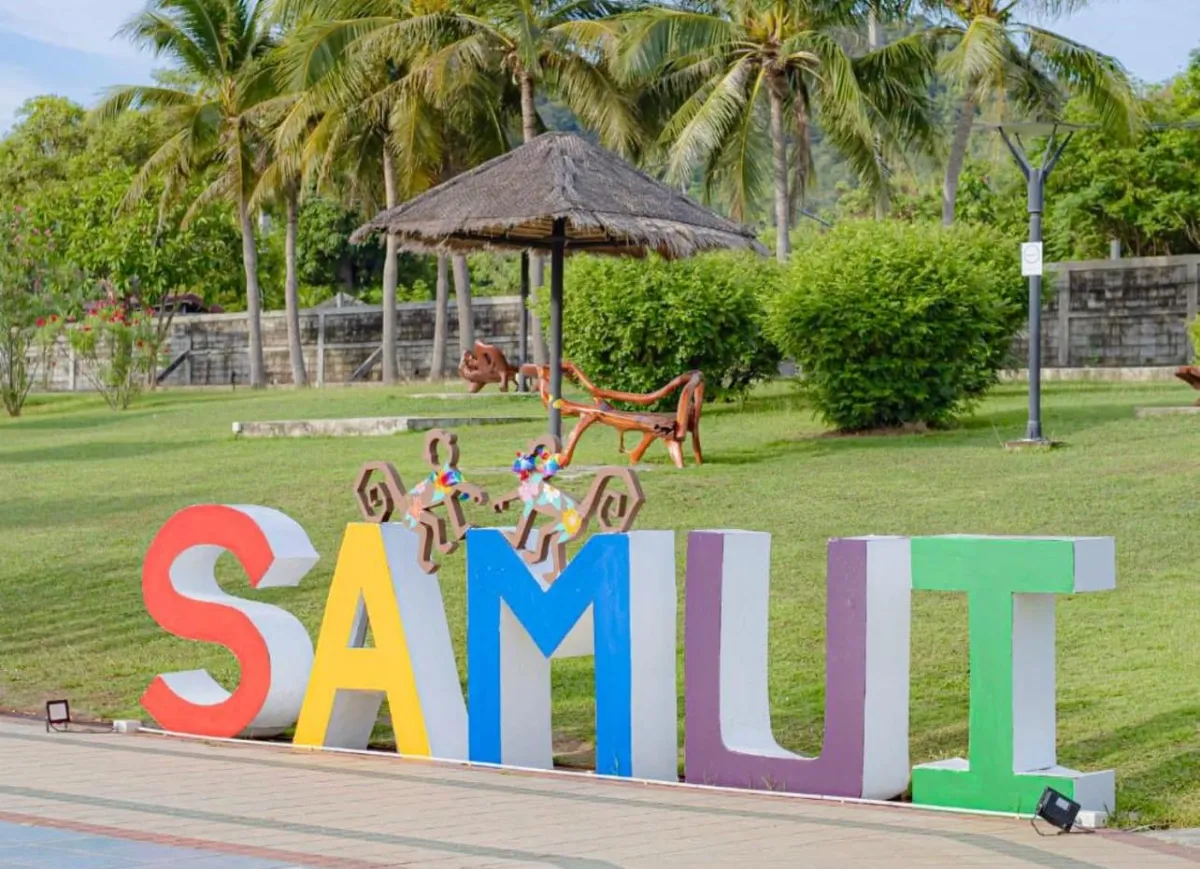
Best Free Things to do on Koh Samui
“Temple fairs are one of Koh Samui's most authentic cultural experiences.Unlike many tourist attractions, these events aren't created for visitors. They're community gatherings that bring local families together while helping raise funds for the temple and its activities.”
- Misty Dowling
The Best Free Things To Do on Koh Samui
Beaches, Temples, Cultural Landmarks & More..
Looking for Free Things to Do on Koh Samui?
Thanks to luxury resorts, exclusive beach clubs, and TV shows like The White Lotus, many travelers assume Koh Samui is an expensive destination reserved for luxury holidays.
And while Koh Samui certainly has its fair share of five-star resorts, private villas, and VIP experiences, there is much more to the island than that.
In fact, some of the best things to do on Koh Samui don't cost a single baht.
Whether it's watching the sunrise on a quiet beach, exploring a beautiful Buddhist temple, chasing waterfalls, discovering hidden viewpoints, or simply experiencing everyday island life, there are countless ways to enjoy Koh Samui without stretching your budget.
As long-term island residents and hosts, we've found that many visitors arrive with the misconception that they need expensive tours and activities to experience the island properly. The reality is often quite the opposite. Some of our favorite memories on Koh Samui have come from spontaneous adventures, unexpected discoveries, and places that were completely free to visit.
If you'd like to discover more common misconceptions about the island, be sure to read our article:
Unraveling the Mysteries of Koh Samui: Let’s bust some myths!
But in this guide, we'll show you some of the very best free things to do on Koh Samui, from beautiful beaches and cultural landmarks to hidden local experiences that many visitors never discover.
Quick Answer: What Are The Best Free Things To Do on Koh Samui?
If you're short on time, here are some of our favorite free activities on the island:
Relax on Koh Samui's beautiful beaches
Visit a meditation Center
Discover local temples and shrines
Visit Na Muang Waterfalls or one of the many other waterfalls
Watch the sunset from Nathon or Lipa Noi
Explore Fisherman's Village
Visit local night markets
Go plane spotting at Chaweng Beach
Join a free outdoor aerobics class
Attend a local temple fair
Explore traditional villages and coconut groves
Visit local piers and watch island life unfold
Go stargazing on quieter beaches
Enjoy Koh Samui's Beautiful Beaches
If there is one thing you absolutely shouldn't miss on Koh Samui, it's the beaches.
The best part?
They're completely free.
While beach clubs and luxury resorts can be wonderful experiences, some of Koh Samui's most beautiful beaches can be enjoyed completely free of charge.
And unlike some other destinations around the world, beaches in Thailand are public.
This is something many visitors don't realize.
While some luxury resorts may place signs suggesting certain areas are reserved for guests, the beach itself remains public. You are free to walk, swim, relax, and enjoy the shoreline. The only exception is when the only access route passes through private property.
Go Beach Hopping Around The Island
One of the best free activities on Koh Samui is simply exploring different beaches.
Each beach has its own personality.
Some are lively and energetic, while others remain peaceful and largely untouched.
Some of our favorites include:
Chaweng Beach
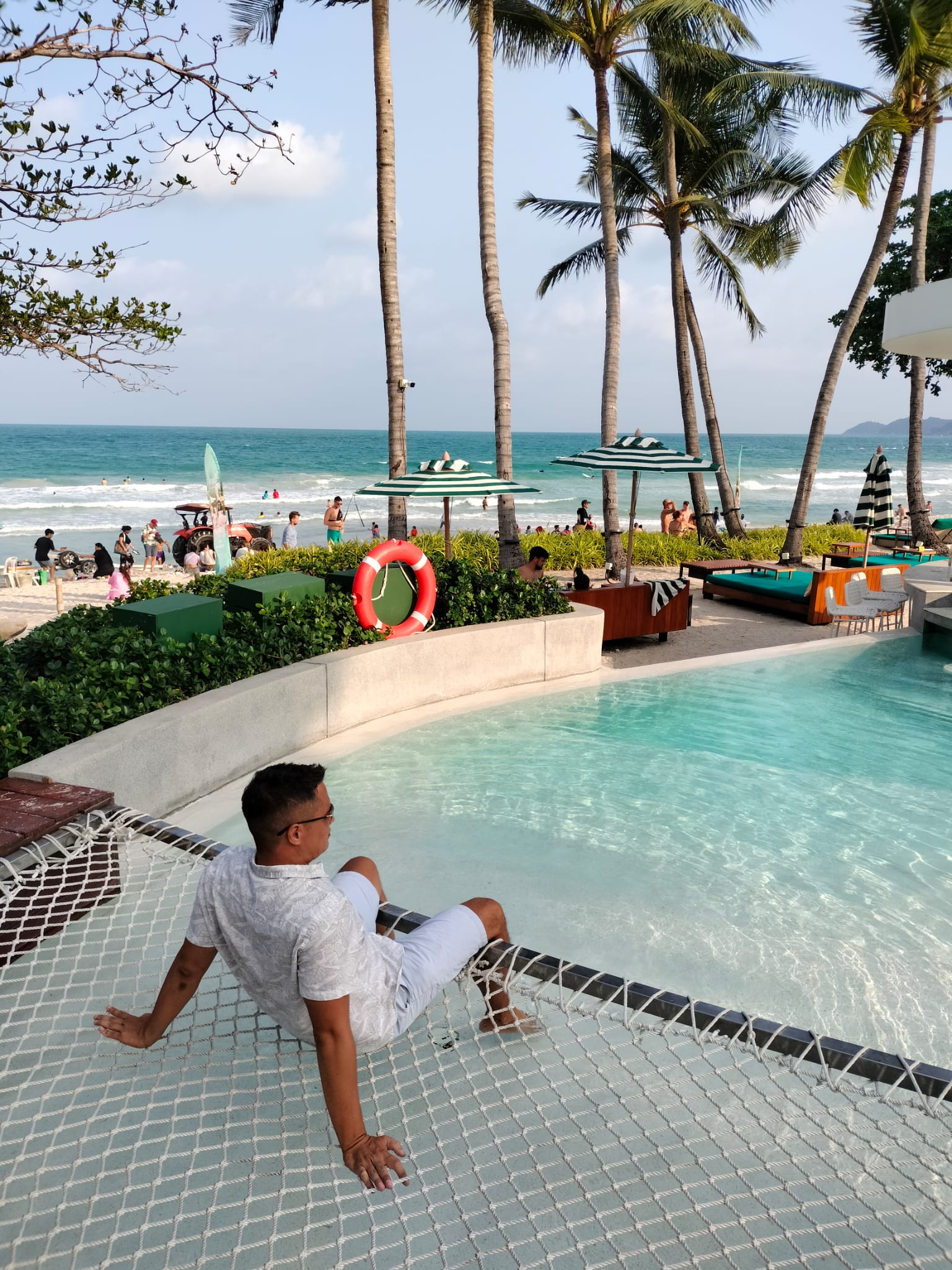
The island's most famous beach.
Known for its soft white sand, turquoise water, restaurants, beach bars, and lively atmosphere.
While Chaweng is beautiful, it can also be one of the busiest beaches on the island, especially during peak season.
Silver Beach
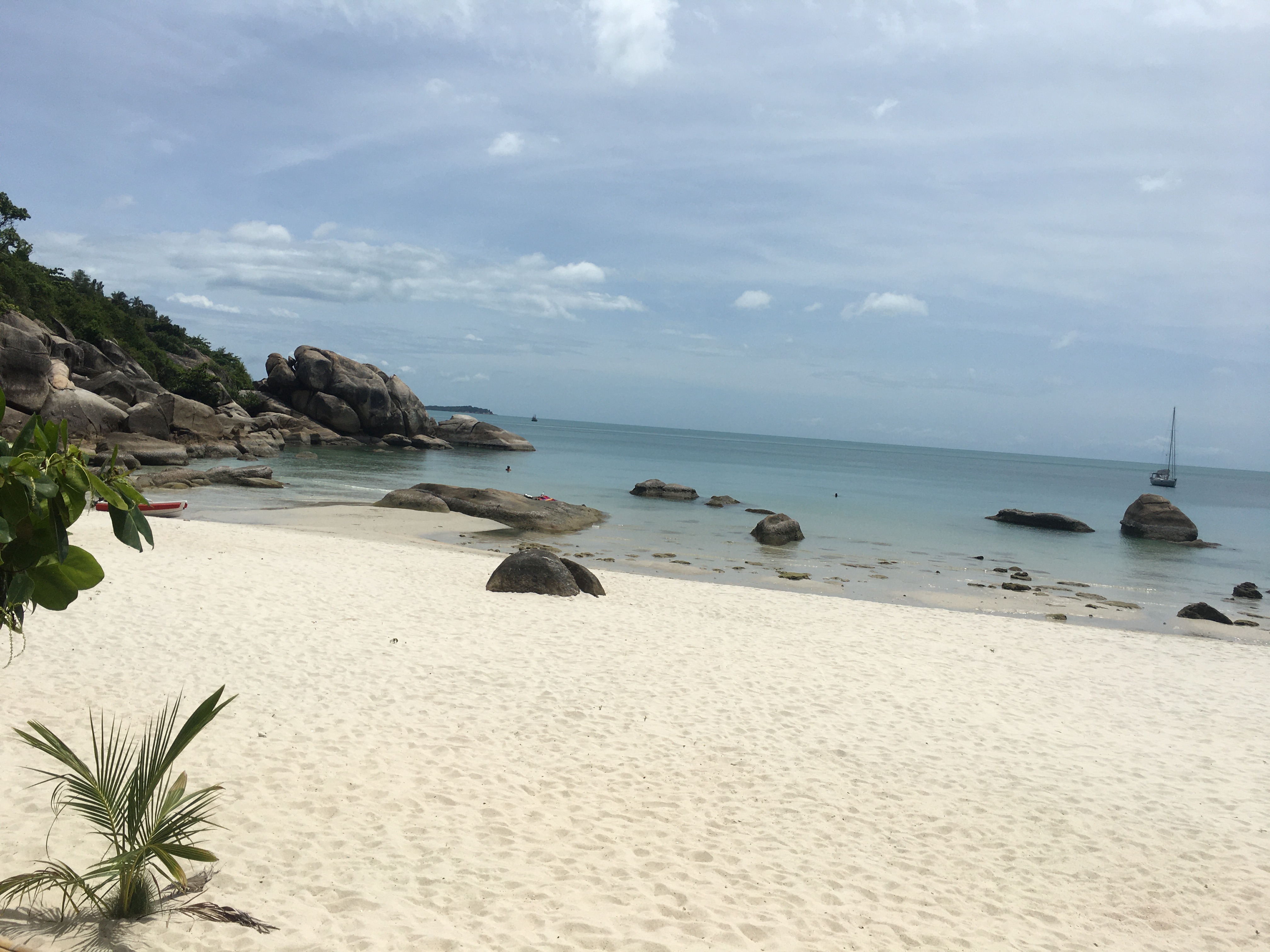
A small picturesque bay tucked between Chaweng and Lamai.
Crystal-clear water, soft sand, and excellent snorkeling make this one of the island's most popular smaller beaches.
Maenam Beach
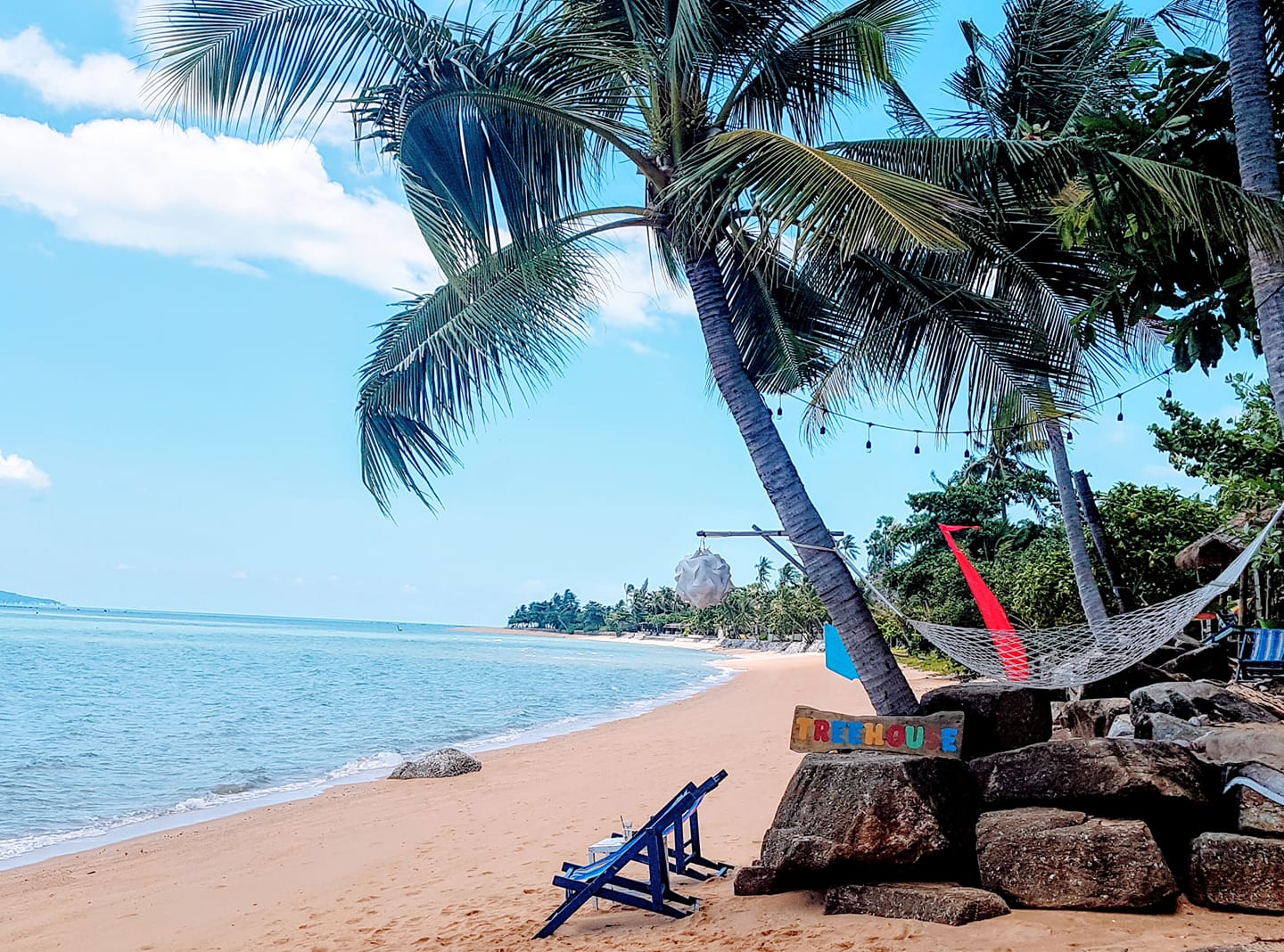
A fantastic option for travelers seeking a more relaxed atmosphere.
The beach is long, peaceful, and offers beautiful views toward Koh Phangan.
Bantai Beach
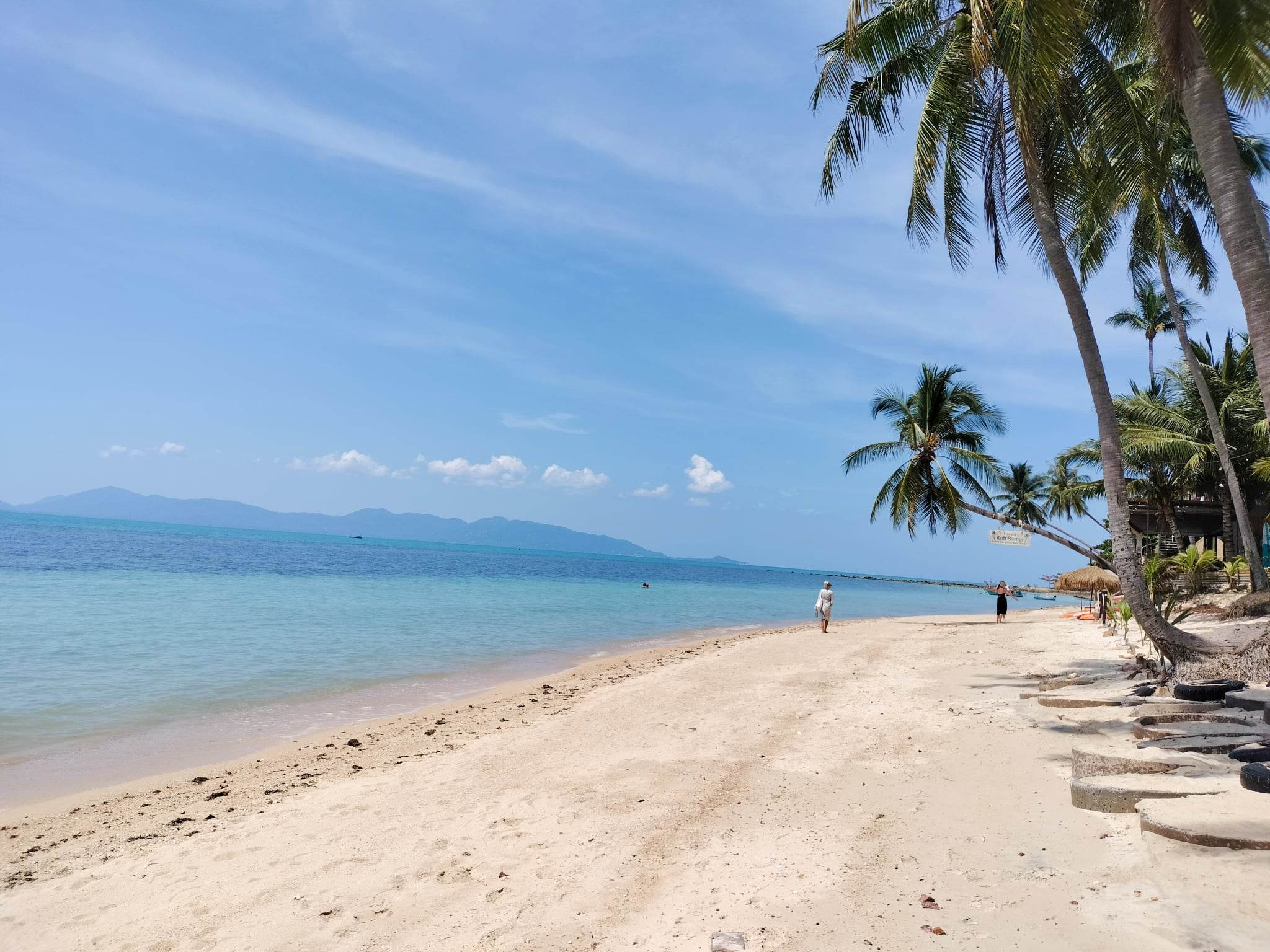
One of the island's hidden gems.
Quieter than many other beaches, Bantai offers stunning sunsets, calm surroundings, and a more local atmosphere.
Bang Por Beach
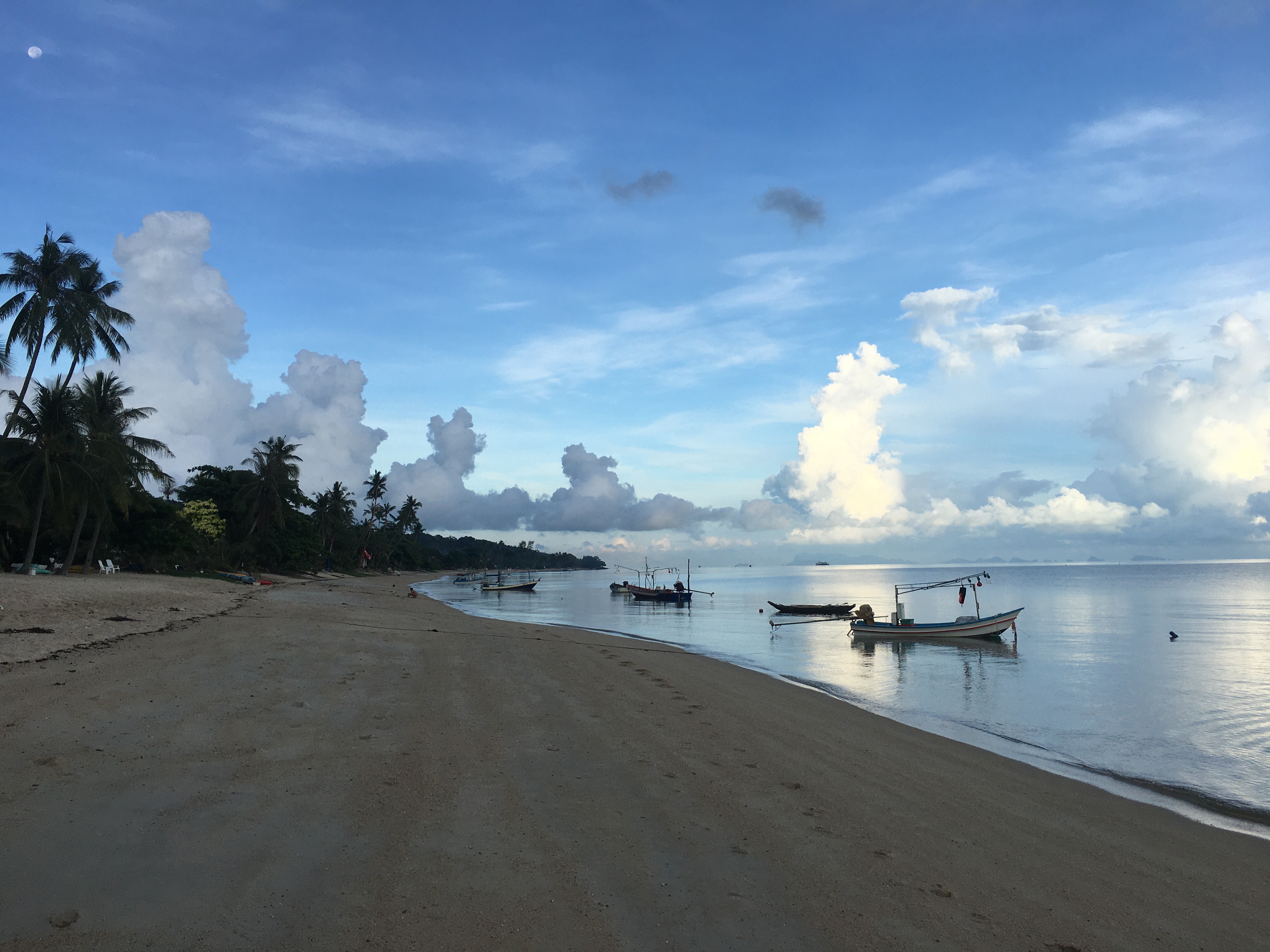
Known for its laid-back vibe, local seafood restaurants, and some of the island's best sunset views.
Lipa Noi Beach
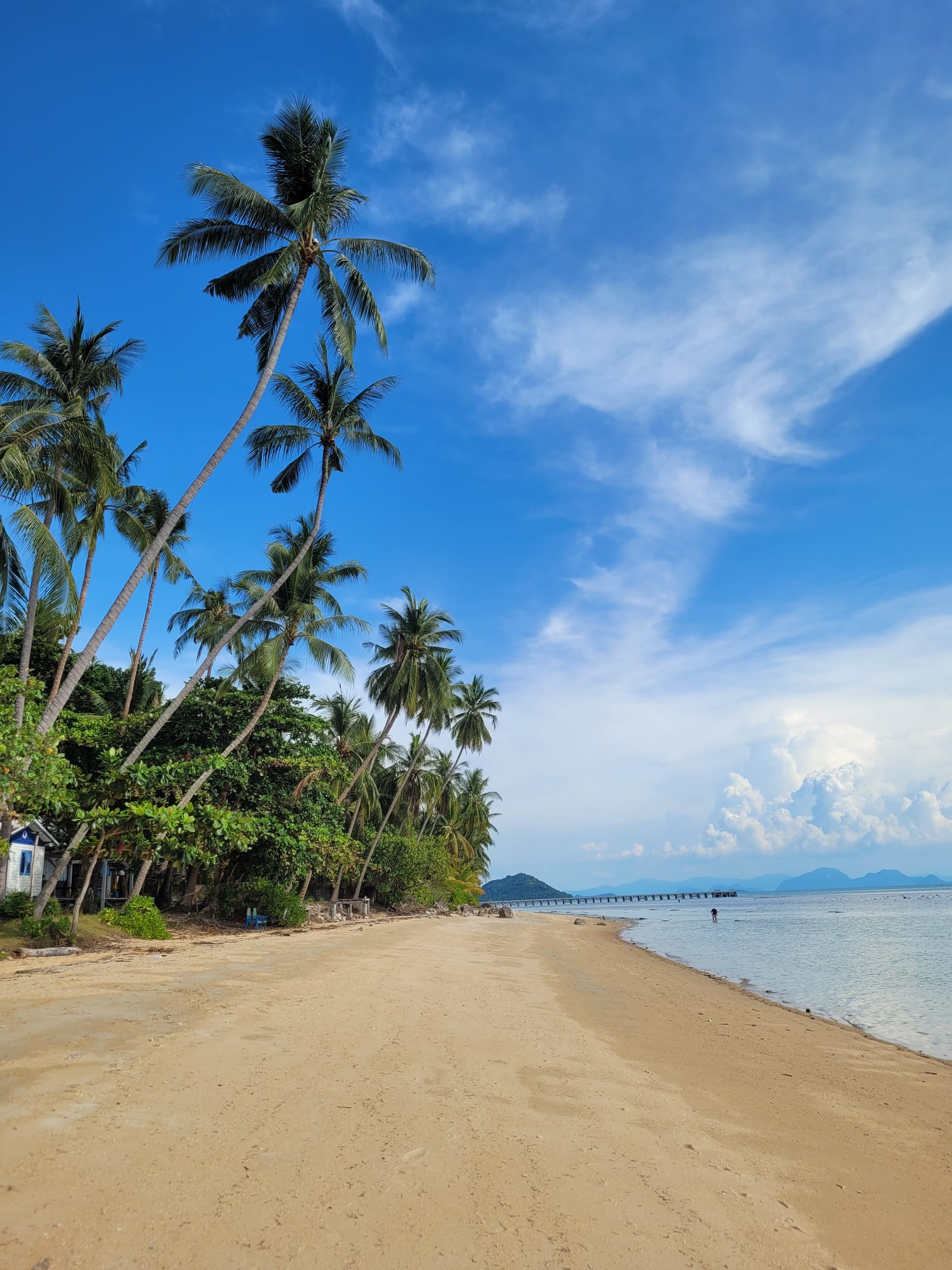
Often considered one of the best beaches for families thanks to its shallow waters and peaceful environment.
It also happens to be one of Koh Samui's most beautiful sunset locations.
A Quick Note About Tides
Not all beaches offer the same swimming conditions.
Many beaches on Koh Samui's north and west coasts experience significant tidal changes. At low tide, the water can become very shallow, requiring you to walk quite far before reaching swimming depth.
This doesn't make these beaches any less beautiful—in fact, many offer stunning sunsets and peaceful surroundings—but it's worth knowing what to expect.
For detailed information about swimming conditions, snorkeling opportunities, and the best beaches for different travel styles, check out our complete guide:
Take a Sunrise Beach Walk
Most visitors think about sunsets, but sunrises can be equally rewarding.
Early mornings on Koh Samui are often peaceful, cooler, and far less crowded.
Some of the best beaches for sunrise walks include:
Chaweng Beach
Maenam Beach
Bangrak Beach
There's something special about having an entire stretch of tropical beach almost entirely to yourself before the rest of the island wakes up.
Watch The Sunset For Free
If you're only going to do one free activity during your stay, make it this.
Koh Samui's west coast offers some truly spectacular sunsets.
Best sunset locations include:
Lipa Noi Beach
Taling Ngam Beach
Bang Por Beach
Bantai Beach
Nathon Beach
Bang Makham Beach
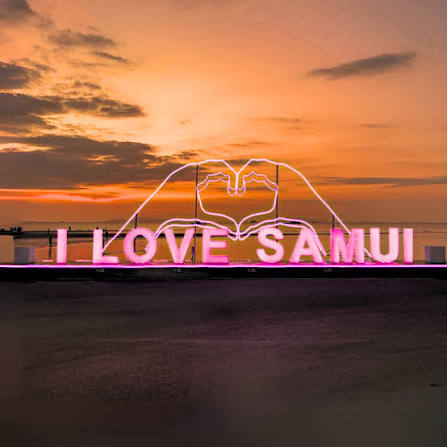
One of our personal favorites is the area around Nathon, where you can combine sunset views with local restaurants, the island's main ferry piers, and the famous "I Love Koh Samui" sign.
Search For Seashells & Marine Life
This is particularly fun for families with children.
Depending on tides and weather conditions, you may find:
Seashells
Small crabs
Hermit crabs
Colorful fish
Sea stars (please admire without disturbing)
The quieter beaches often provide the best opportunities for these discoveries.
A Quick Note About Seashells
Beachcombing can be a wonderful way to connect with nature, especially for families and curious explorers. Keep an eye out for seashells, hermit crabs, tiny fish, and other fascinating marine life that occasionally washes ashore.
However, we strongly recommend taking only photographs and leaving shells where you find them.
Many visitors don't realize that removing shells and coral from Thailand's beaches is prohibited, even if they appear to be empty or dead. These shells play an important role in the marine ecosystem, providing shelter for hermit crabs and other small creatures while gradually breaking down and returning valuable minerals to the environment.
There's another reason to admire shells rather than pick them up: some may still be occupied.
One shell to be particularly cautious of is the cone shell. These beautifully patterned shells can contain a venomous sea snail capable of delivering a painful and potentially dangerous sting. While serious incidents are rare, it's always best to avoid handling unfamiliar marine life altogether.
Our advice? Enjoy the thrill of discovering these natural treasures, snap a few photos, and leave them for the next visitor—and for the creatures that may still call them home.
Snorkel Directly From The Beach
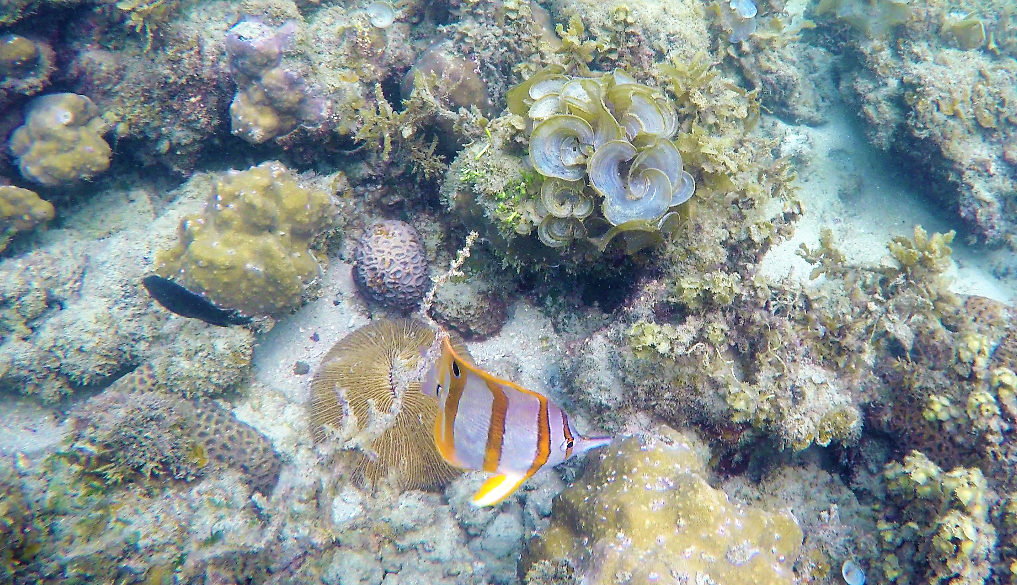
Many visitors are surprised to learn that decent snorkeling can be found from several beaches around Koh Samui.
Some of the better shore-snorkeling locations include:
Silver Beach, aka Crystal Bay
Coral Cove
The small rocky bays around Hin Ta & Hin Yai
Certain areas around Bantai Beach during favorable conditions
That said, it's important to set realistic expectations.
While snorkeling from Koh Samui's beaches can be enjoyable, it doesn't compare to the world-class snorkeling found on dedicated snorkeling tours.
If snorkeling is one of the main reasons you're visiting Thailand, we highly recommend adding a snorkeling excursion to your itinerary.
A full-day snorkeling trip to Koh Tao and the surrounding islands offers dramatically better visibility, healthier coral reefs, and a far greater variety of marine life than you'll typically encounter from the beaches on Koh Samui itself.
Visit Koh Samui's Temples & Cultural Landmarks
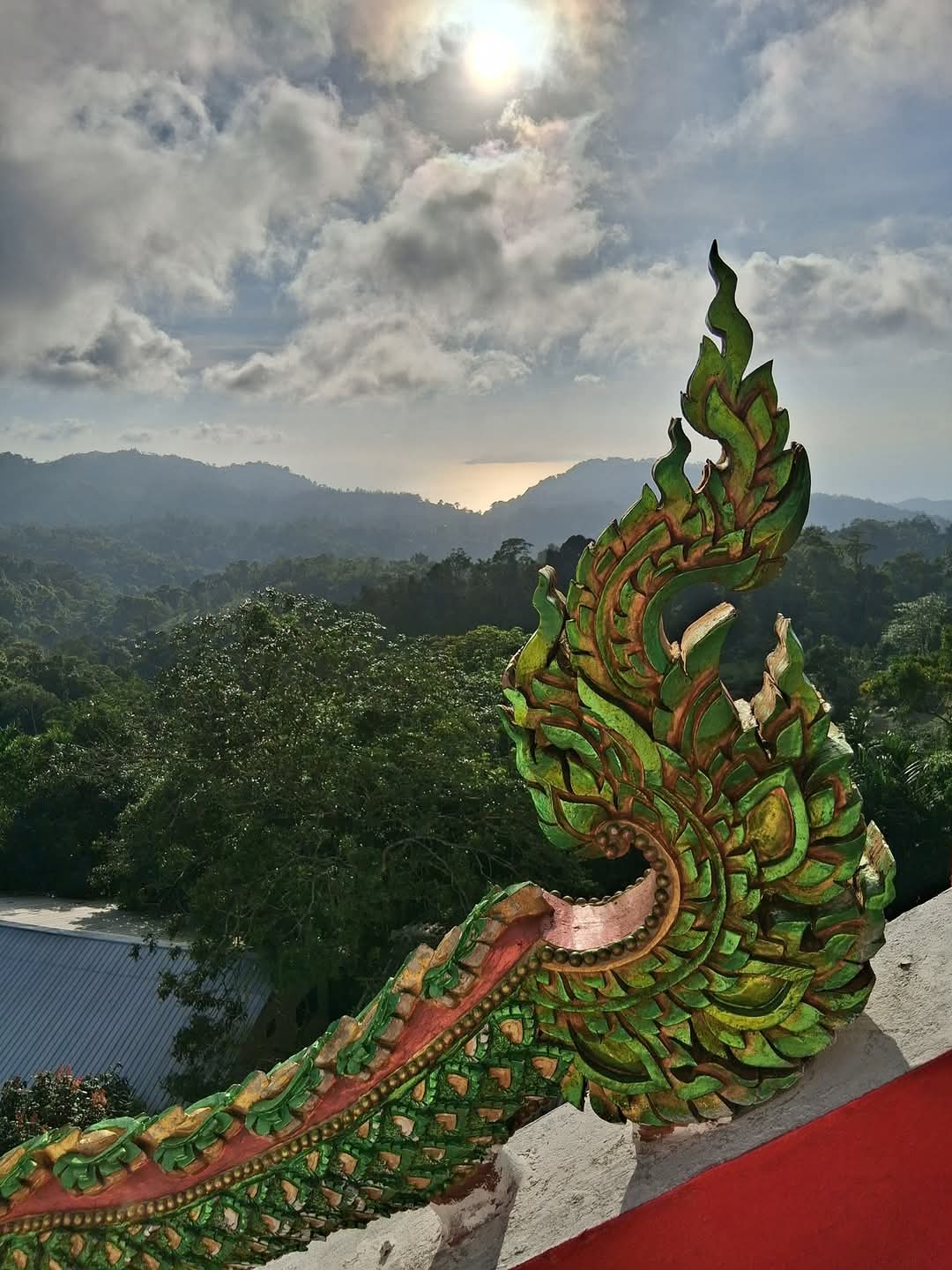
Even if you're not particularly interested in religion, visiting at least a few of Koh Samui's temples is well worth your time.
Beyond their spiritual significance, these sites offer insight into Thai culture, architecture, local traditions, and daily life.
Unlike many tourist attractions, most temples are completely free to visit.
Just remember to dress respectfully by covering your shoulders and knees whenever possible.
Big Buddha (Wat Phra Yai)
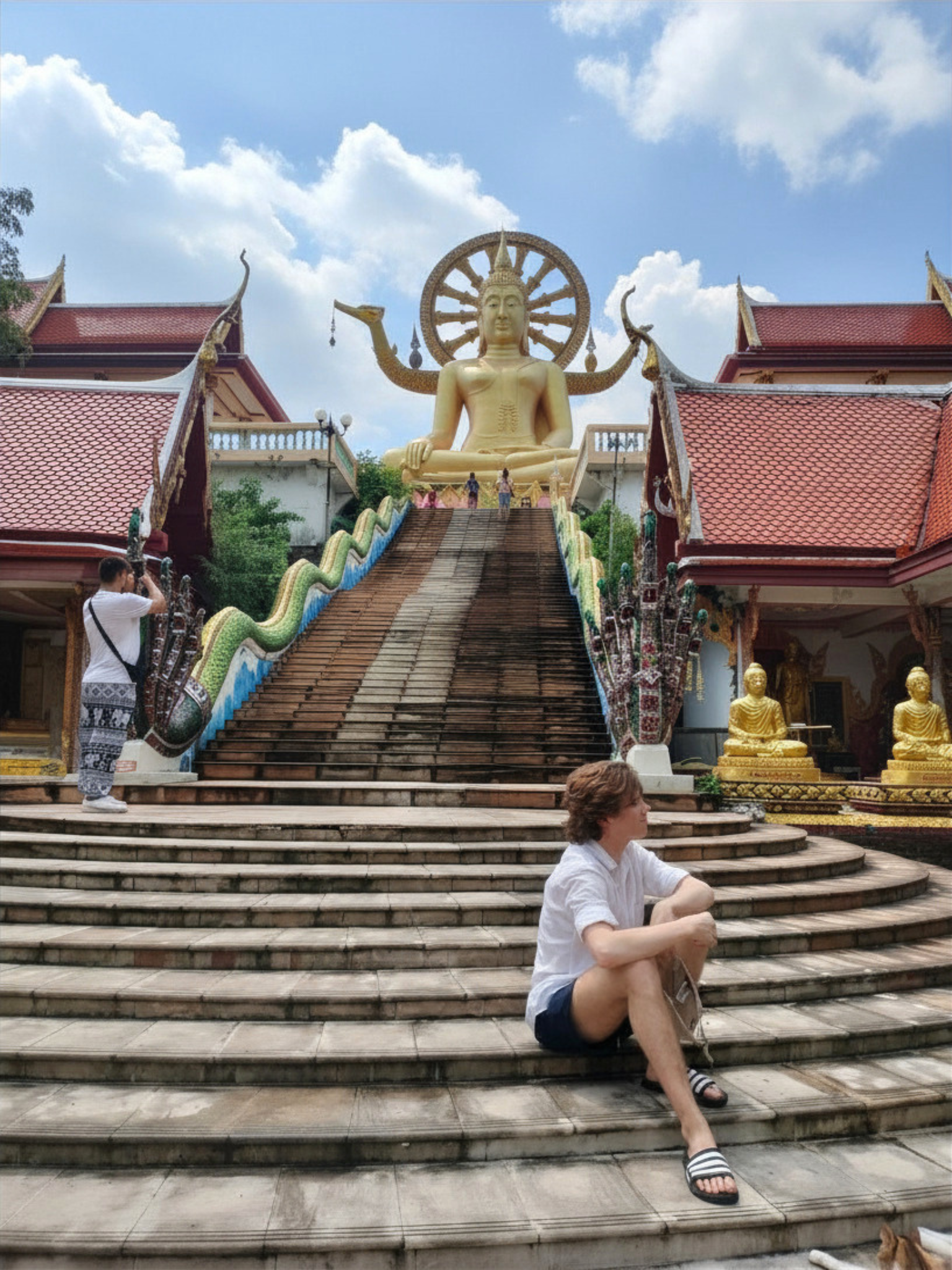
Without question, Koh Samui's most famous landmark.
Standing 12 meters tall on a small island connected by a causeway, the golden Buddha can be seen from a considerable distance and is one of the island's most photographed attractions.
Visitors can explore the temple grounds, enjoy views across the coastline, and experience one of Koh Samui's most important cultural sites.
Wat Plai Laem
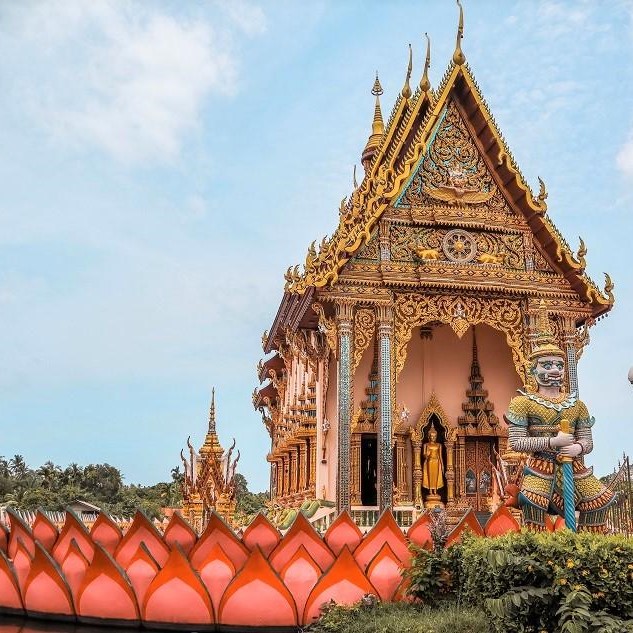
Located just a few minutes from Big Buddha, Wat Plai Laem is often considered one of the most visually impressive temples on the island.
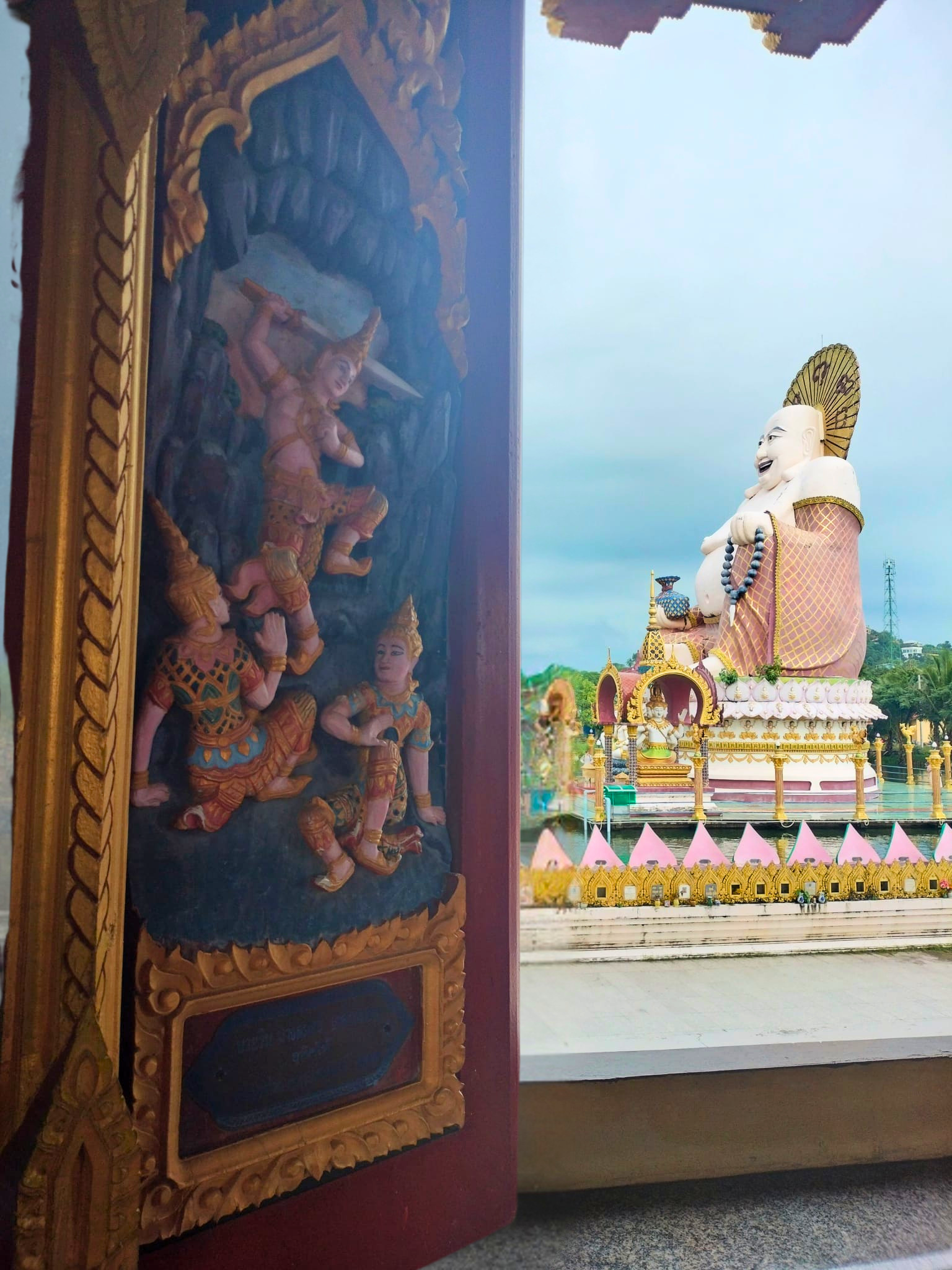
The complex features:
A giant Guanyin statue with multiple arms
Beautiful lakes
Ornate temple architecture
Fish feeding opportunities
Excellent photography spots
Many visitors combine Big Buddha and Wat Plai Laem into a single outing. Take a good look around the pond, you may actually spot some turtles too!
Guan Yu Shrine
Located in Hua Thanon, this enormous statue honors the famous Chinese warrior Guan Yu.
The shrine reflects Koh Samui's Chinese heritage and provides a different cultural experience from the island's Buddhist temples.
Chinese Temple in Maenam
Often overlooked by visitors, this colorful temple offers a quieter and more local experience than some of the island's larger attractions.
If you're already exploring Maenam, it's worth stopping by.
Wat Ratchathammaram (The Red Temple)
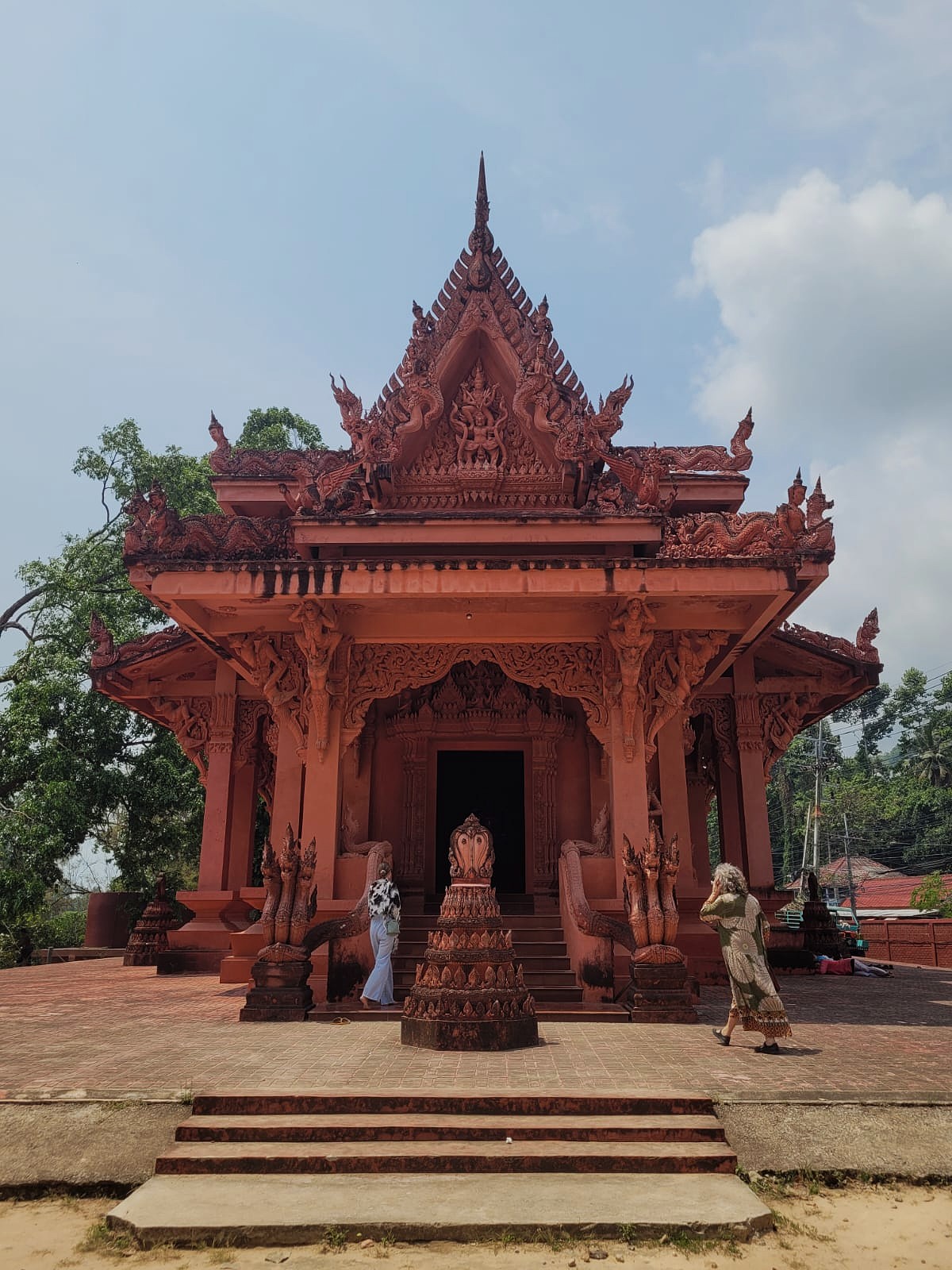
One of Koh Samui's most unique, visually striking temples is Wat Ratchathammaram, better known as the Red Temple.
Located near Lamai, this impressive temple stands out thanks to its deep terracotta-red color, intricate carvings, and beautiful architecture. While many visitors make a beeline for Big Buddha and Wat Plai Laem, the Red Temple remains somewhat overlooked despite being one of the island's most photogenic religious sites.
The temple grounds are peaceful, well-maintained, and often far less crowded than some of Koh Samui's better-known attractions, making it a wonderful place to slow down and appreciate the craftsmanship and atmosphere.
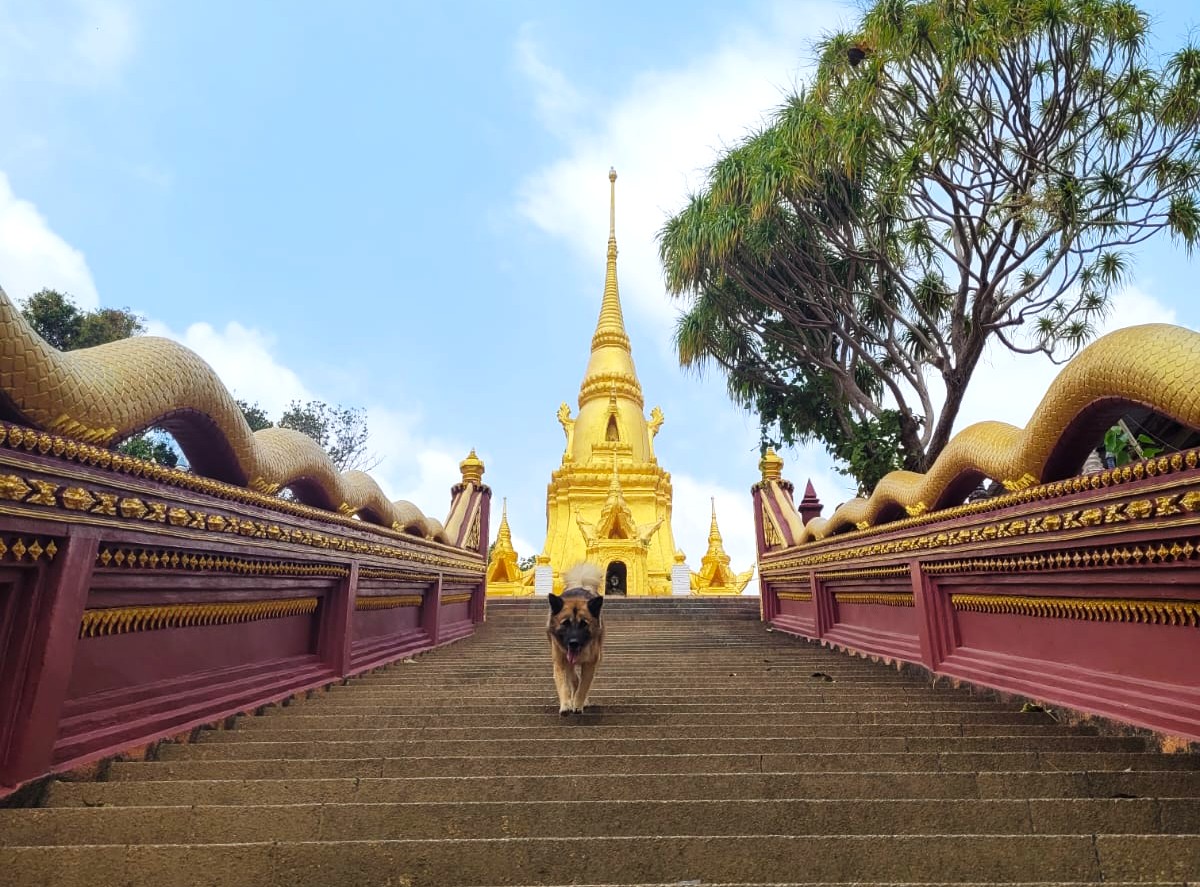
A visit to the Red Temple also pairs perfectly with nearby attractions such as Hin Ta & Hin Yai Rocks, Lamai Beach, and some of the island's smaller snorkeling bays, making it an easy addition to a day of exploring southern Koh Samui.
Explore Lesser-Known Local Temples
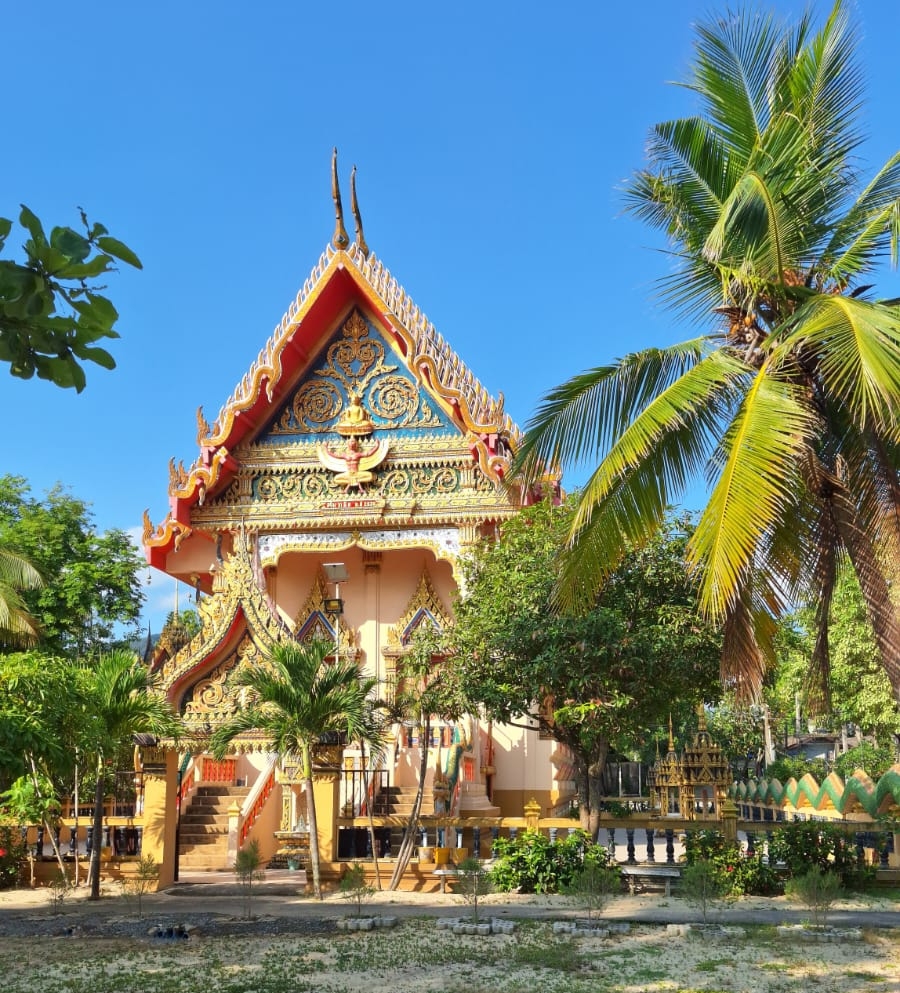
Some of our favorite temple discoveries have happened completely by accident while exploring the island's back roads. Small village temples often receive few visitors and can provide a much more authentic glimpse into local life than the island's better-known attractions.
Do You Need To Pay To Visit Temples?
One of the great things about visiting temples on Koh Samui is that most are completely free to enter.
While you may occasionally come across donation boxes or opportunities to contribute towards maintenance, restoration projects, or community activities, donations are entirely voluntary. There is never any obligation to give, and visitors are welcome whether they donate or not.
That said, if you've enjoyed your visit and would like to support the temple and its upkeep, even a small contribution is always appreciated and helps preserve these beautiful cultural landmarks for future generations.
A Local Tip About Temple Visits
Don't rush.
Many visitors spend only five or ten minutes at a temple before moving on to the next attraction.
Instead, take your time.
Listen to the sounds around you.
Observe daily life.
Notice locals making merit, offering incense, or stopping by on their way home from work.
Temples are not just tourist attractions; they're active parts of the local community and offer one of the easiest ways to experience a more authentic side of Koh Samui.
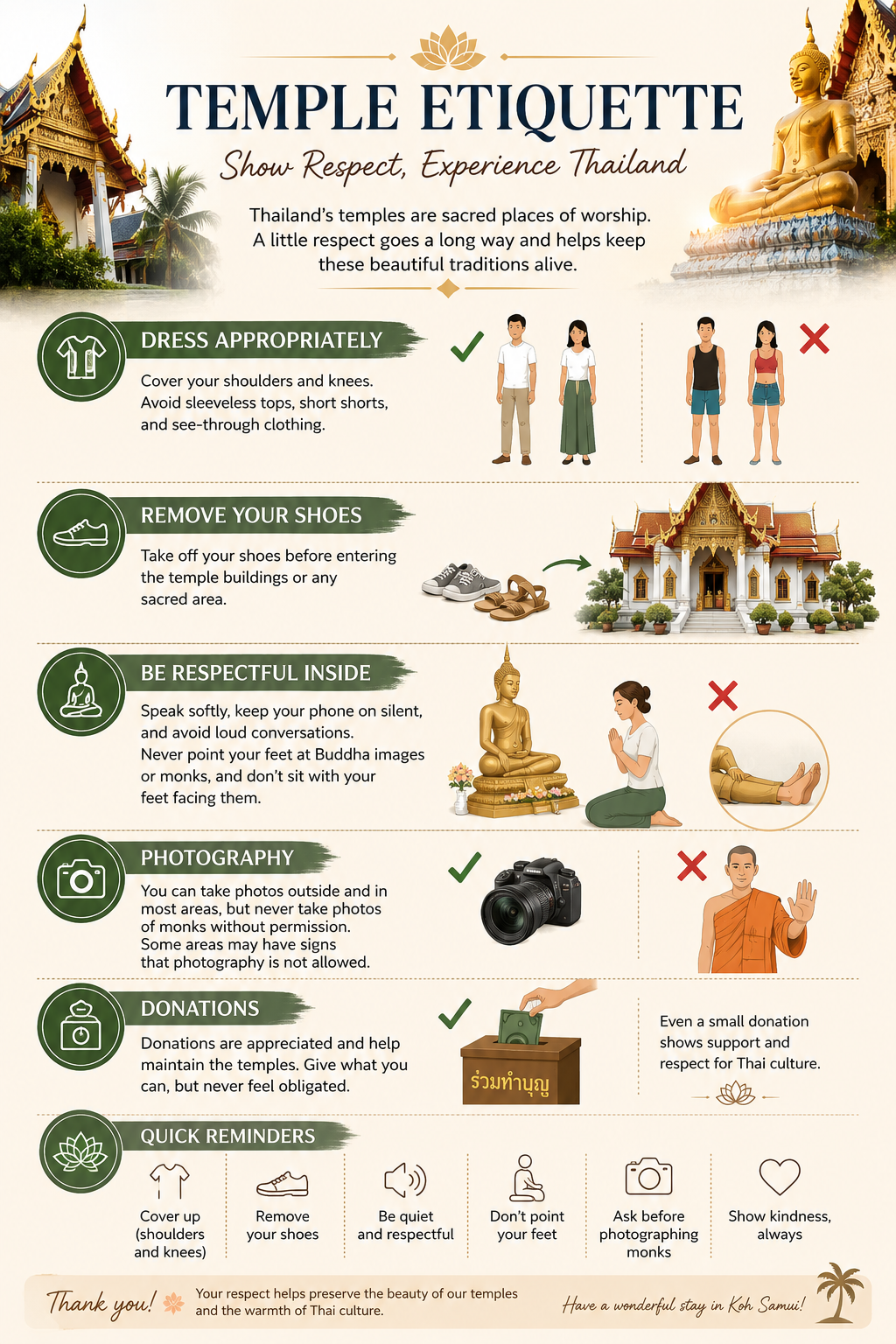
Temple Etiquette: What To Know Before Visiting Thai Temples
Visiting a temple is one of the most rewarding cultural experiences on Koh Samui, but it's important to remember that these are active places of worship, not simply tourist attractions.
The good news is that Thai people are generally very understanding of visitors who may not be familiar with local customs. A little respect and common sense go a long way.
Here are a few simple guidelines to keep in mind:
Dress respectfully. Cover your shoulders and knees whenever possible and avoid beachwear, swimwear, crop tops, or overly revealing clothing.
Remove your shoes before entering temple buildings. If you see shoes lined up outside an entrance, that's your cue to take yours off too.
Take off hats and sunglasses when entering temple buildings. While not always strictly enforced, it's considered more respectful when entering a sacred space.
Keep your voice down. Temples are places where people come to pray, meditate, and make merit. Speaking quietly helps maintain a peaceful atmosphere.
Be mindful of public displays of affection. Holding hands is generally fine, but passionate kissing, cuddling, or intimate poses for photographs are best avoided within temple grounds.
Be mindful of where you sit. Avoid pointing your feet toward Buddha images, monks, or people who are praying, as feet are traditionally considered the lowest part of the body in Thai culture.
Never climb on statues, shrines, or sacred structures for photographs, and avoid touching religious artifacts unless clearly permitted.
Be respectful when taking photos. Photography is usually allowed, but temples are not the place for loud photo shoots, revealing outfits, or social media poses that could be viewed as disrespectful. If people are actively praying, it's best to give them space and avoid photographing them.
Watch your step at doorways. Many temple buildings have a raised threshold at the entrance. Traditionally, you should step over it rather than on it.
Respect monks and religious ceremonies. If monks are present, observe quietly and avoid interrupting ceremonies. Women should not touch monks or hand items directly to them. If offering something, place it on a table or allow a male companion to pass it instead.
Avoid standing higher than Buddha images when possible. This isn't always practical in every setting, but climbing onto walls, platforms, or structures to get the perfect photo is generally discouraged.
Don't treat temples like a tourist attraction alone. Even if you're visiting primarily to admire the architecture or take photos, remember that local people may be there praying, making merit, or participating in religious ceremonies.
Most importantly, take your time. Slow down, look around, and observe the daily life happening around you. Some of the most memorable temple visits aren't about the buildings themselves, but about witnessing local traditions, hearing the sound of temple bells in the distance, or watching island residents stop by to make merit on their way home from work.
If you're ever unsure whether something is appropriate, simply look around and follow the lead of the local people around you. Respect and curiosity are always appreciated.
And if you want to learn more about Thai cultural norms and Do's & Don'ts, you can read all about this in our blog "Must know before you visit Thailand".
Waterfalls, Viewpoints & Exploring The Island Beyond The Beaches
While Koh Samui is best known for its beaches, palm trees, and turquoise waters, some of the island's most rewarding experiences can be found away from the coastline.
Venture inland, and you'll discover jungle waterfalls, scenic viewpoints, quiet fishing villages, coconut plantations, and glimpses of local life that many visitors never experience.
Better yet, most of these places are completely free to visit.
Chase Waterfalls Hidden Throughout The Island
Many visitors are surprised to learn that Koh Samui is home to numerous waterfalls tucked away amongst the island's lush jungle-covered hills.
While they may not rival the giant waterfalls found in destinations like Bali or Hawaii, visiting a waterfall is still one of the most enjoyable free activities on Koh Samui, especially on a hot day.
One thing to keep in mind is that waterfall conditions vary dramatically throughout the year.
When Is The Best Time To Visit Koh Samui's Waterfalls?
The rainy season on Koh Samui typically runs from October through December. During this period, the island receives most of its annual rainfall, replenishing reservoirs, streams, and waterfalls.
For this reason, the best time to visit Koh Samui's waterfalls is usually between December and February, when water flow is often at its strongest.
By March, April, and throughout much of the dry season, some waterfalls become significantly smaller and less impressive. Following extended periods without rain, certain waterfalls may even slow to a trickle, or dry up completely.
That doesn't mean they aren't worth visiting, but it's helpful to set realistic expectations.
If you're visiting during the dry season, we recommend checking recent visitor photos or reviews to get an idea of current conditions.
Now let's take a look at some of our favorites..
Na Muang Waterfall 1
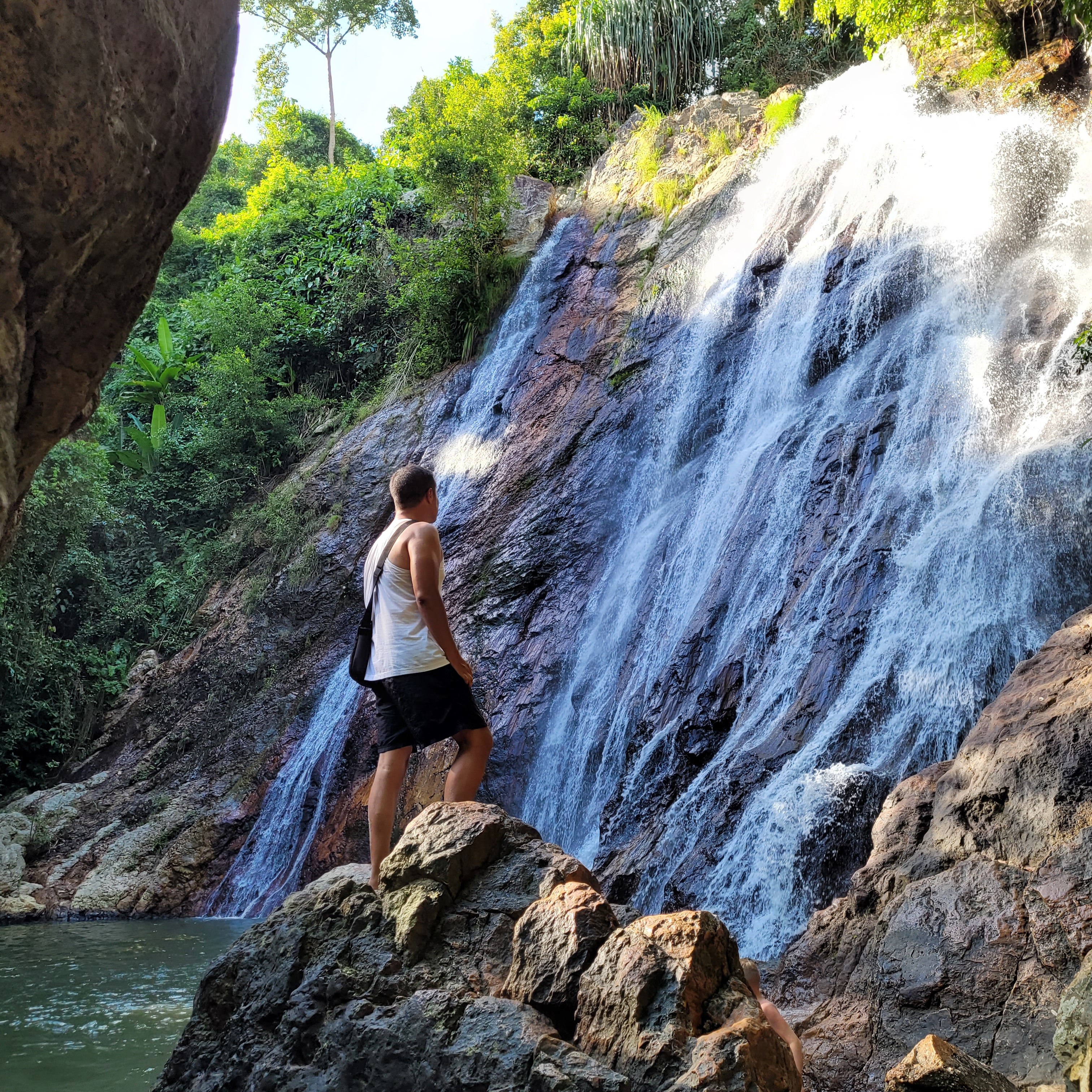
Na Muang Waterfall 1 is undoubtedly the most famous and most visited waterfall on Koh Samui.
Part of its popularity comes from how easy it is to access. Unlike some of the island's other waterfalls, there is pretty much no hiking required. From the parking area, it's only a short walk to the waterfall itself.
The waterfall cascades into a large natural pool where visitors can cool off with a refreshing swim, making it particularly popular on hot afternoons.
Yes, it can get busy, especially during peak season, but it's still absolutely worth visiting.
Local Tip
Occasionally, visitors are approached by individuals, right when they turn off the main road, attempting to charge an unofficial entrance fee before reaching the waterfall.
Entry to Na Muang Waterfall 1 itself is free.
If this happens, simply continue toward the official parking area near the waterfall, where you'll typically only pay a small parking fee if arriving in your own vehicle.
Na Muang Waterfall 2
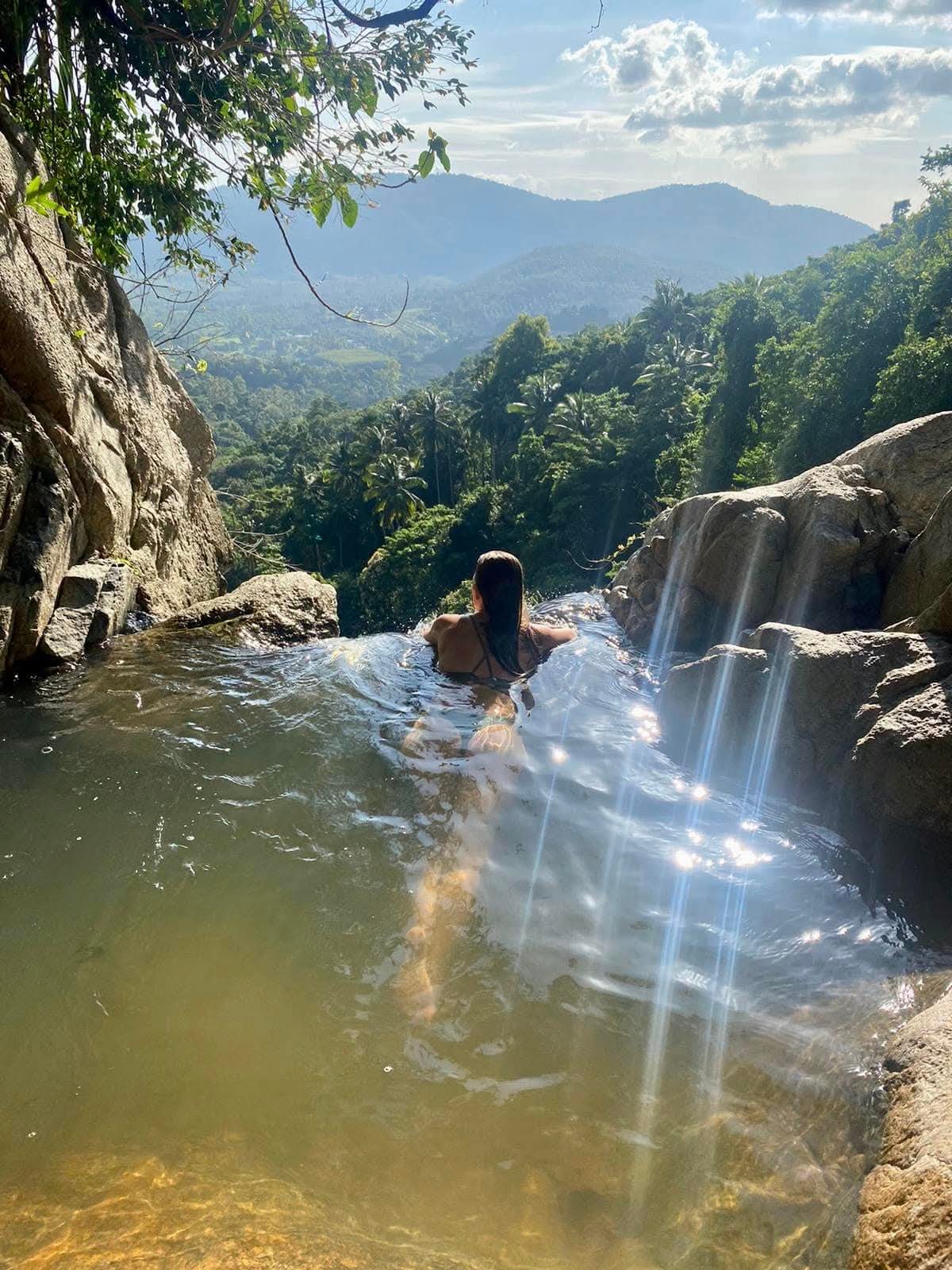
Located further uphill from Na Muang 1, Na Muang Waterfall 2 offers a more adventurous experience.
At approximately 80 metres tall, it is considered the highest waterfall on Koh Samui and rewards visitors with beautiful jungle scenery and panoramic views from higher elevations.
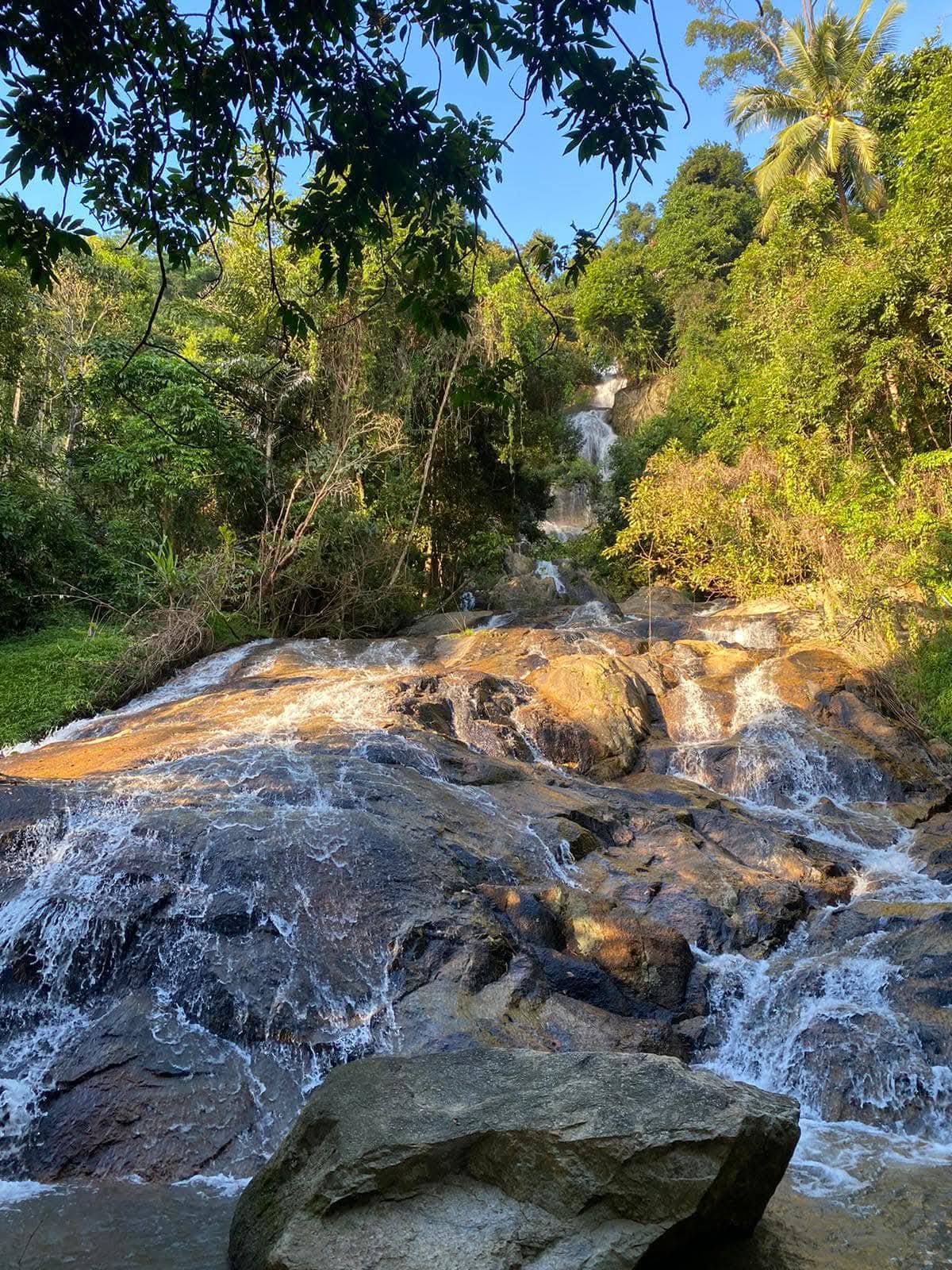
Reaching the upper sections requires a considerably steeper hike, so sturdy footwear is highly recommended. And we recommend avoiding the climb up when it's raining or wet from recent rainfall.
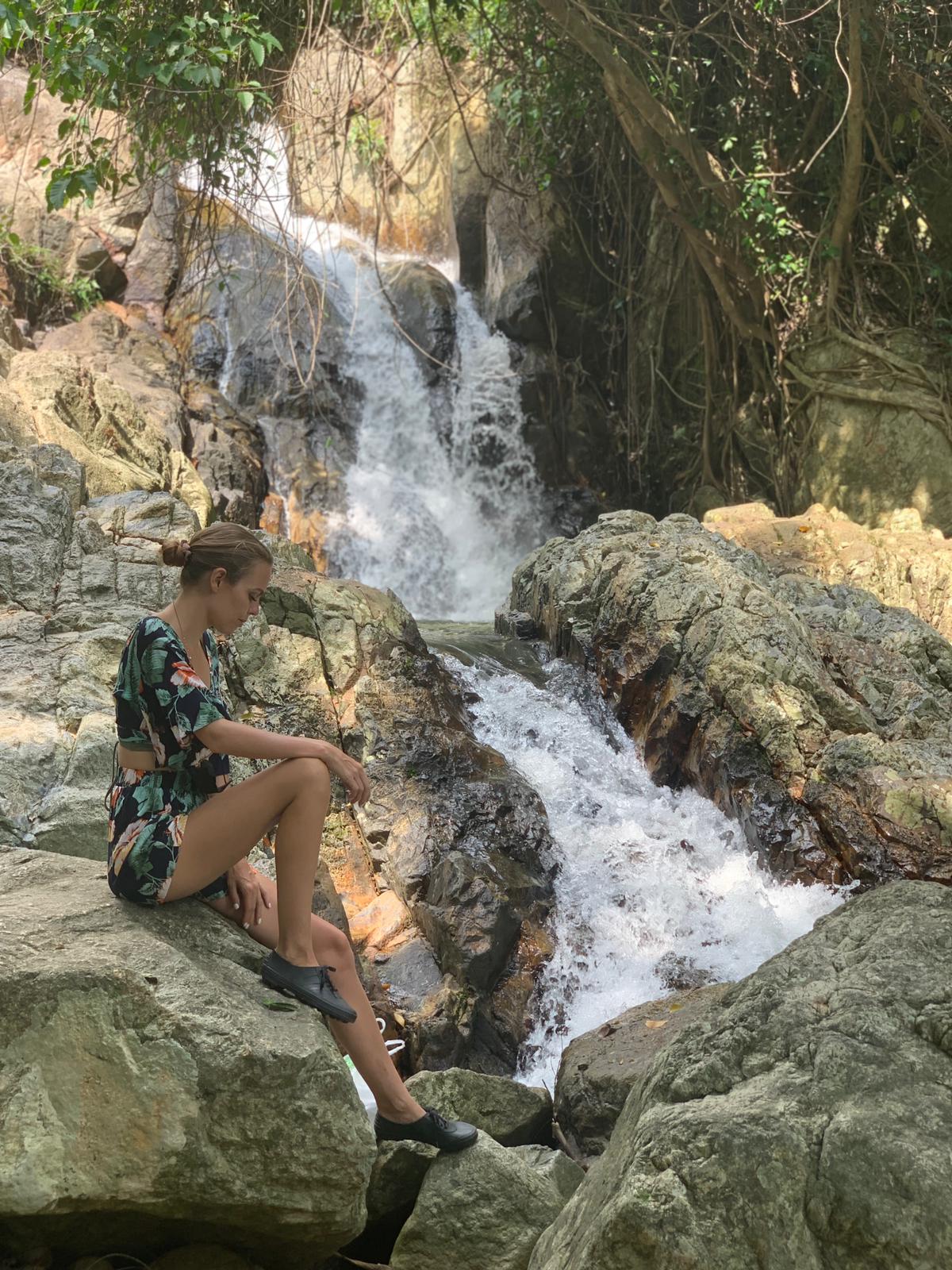
The trail can become slippery after rain and may not be suitable for everyone, but those willing to make the climb are rewarded with one of the island's most impressive natural attractions.
But even without making your way to the top, it's still one worth visiting, and a nice little adventure. Along the way up, the path opens up to various levels of the waterfall with some smaller natural pools to cool off and enjoy.
Tip: Pack lunch, or simply some snacks and drinks, to enjoy a picnic by the waterfall.
Don't forget to bring a plastic bag, or something for your rubbish to ensure you leave behind nothing but footprints.
Tan Rua Waterfall
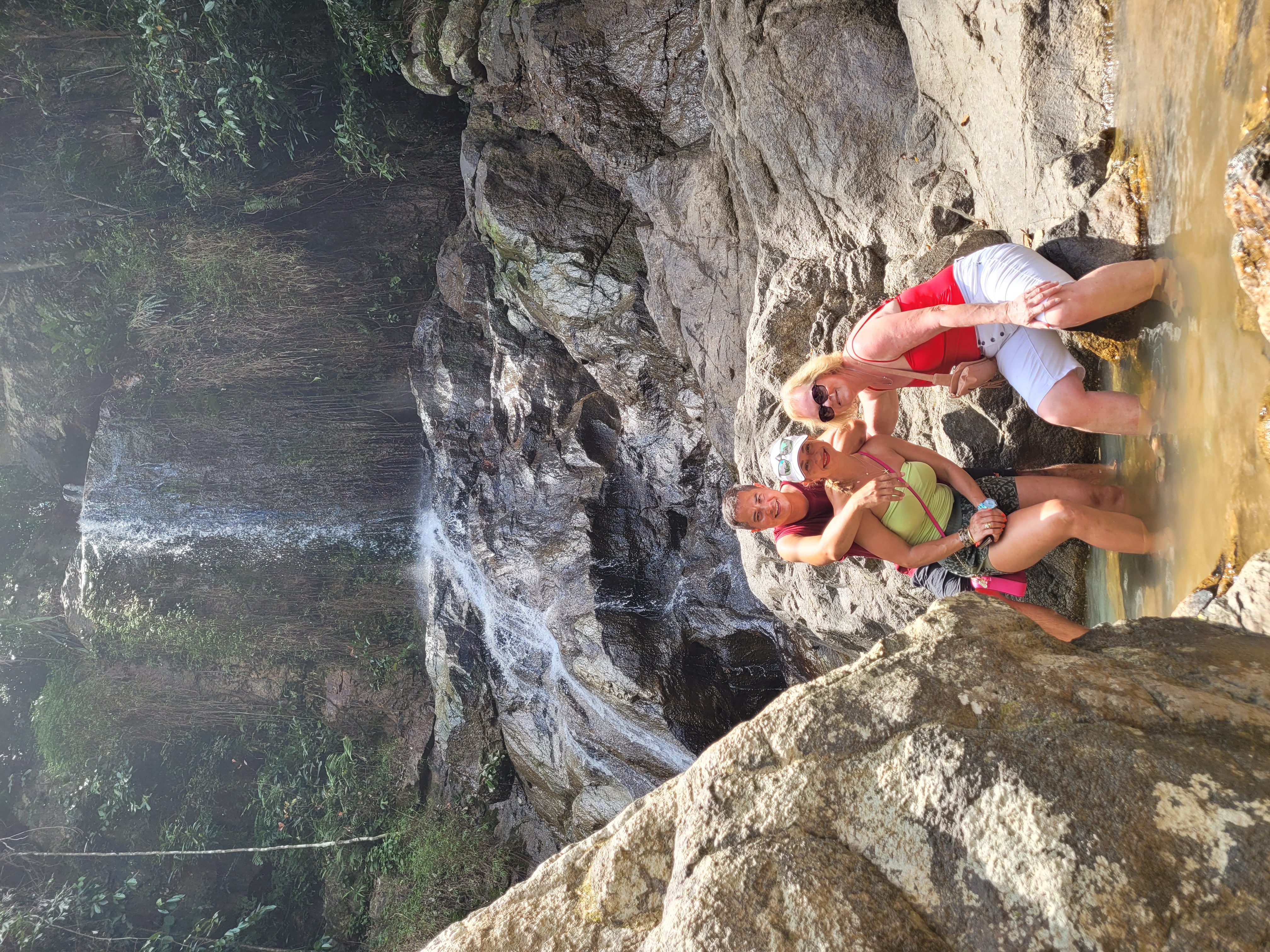
Tan Rua Waterfall may not be the most dramatic waterfall on Koh Samui, but it remains one of our personal favourites.
The journey itself is what makes this place special.
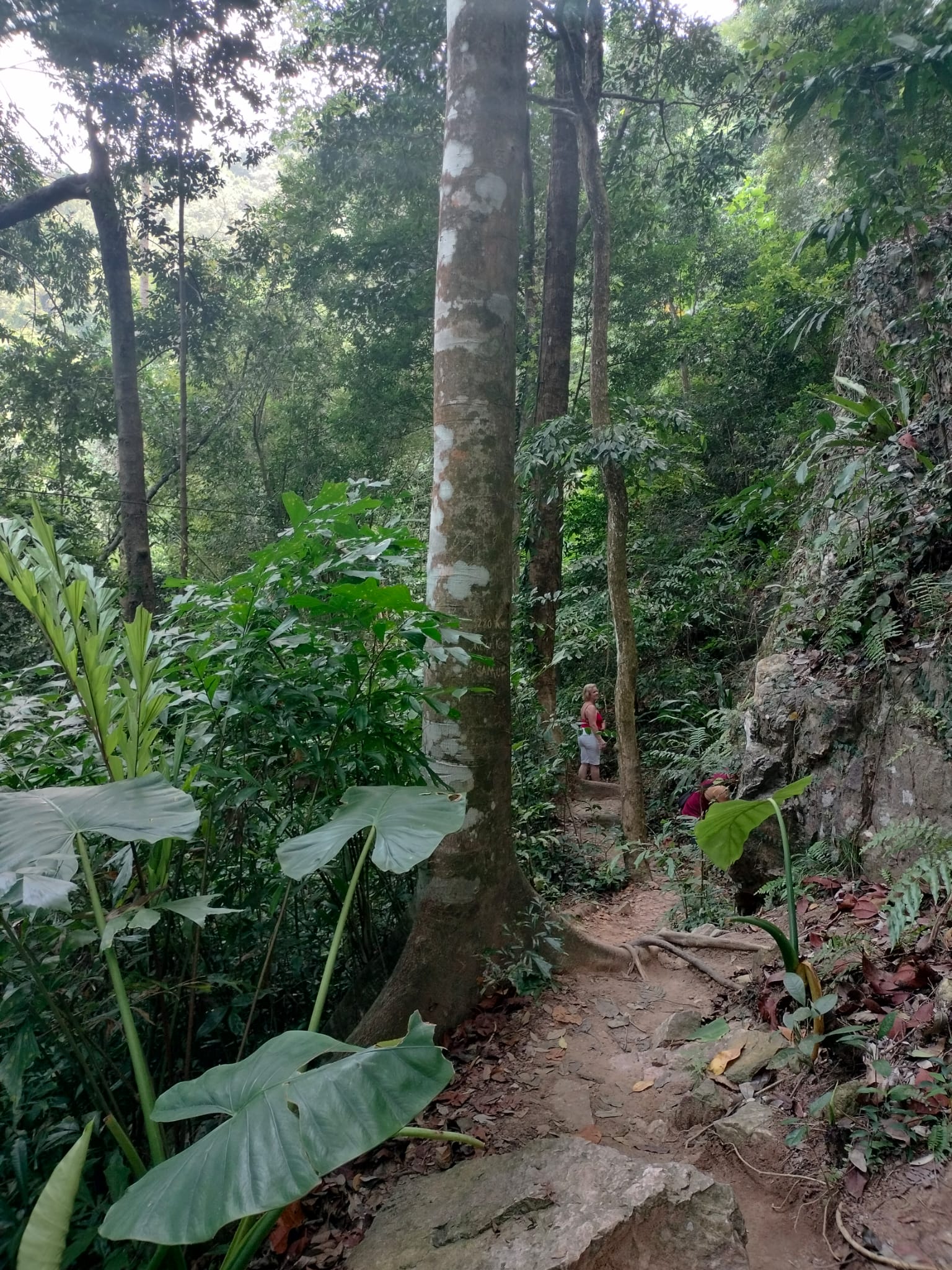
Surrounded by jungle, giant trees, hanging vines, and beautiful natural scenery, the area feels like stepping into another world.
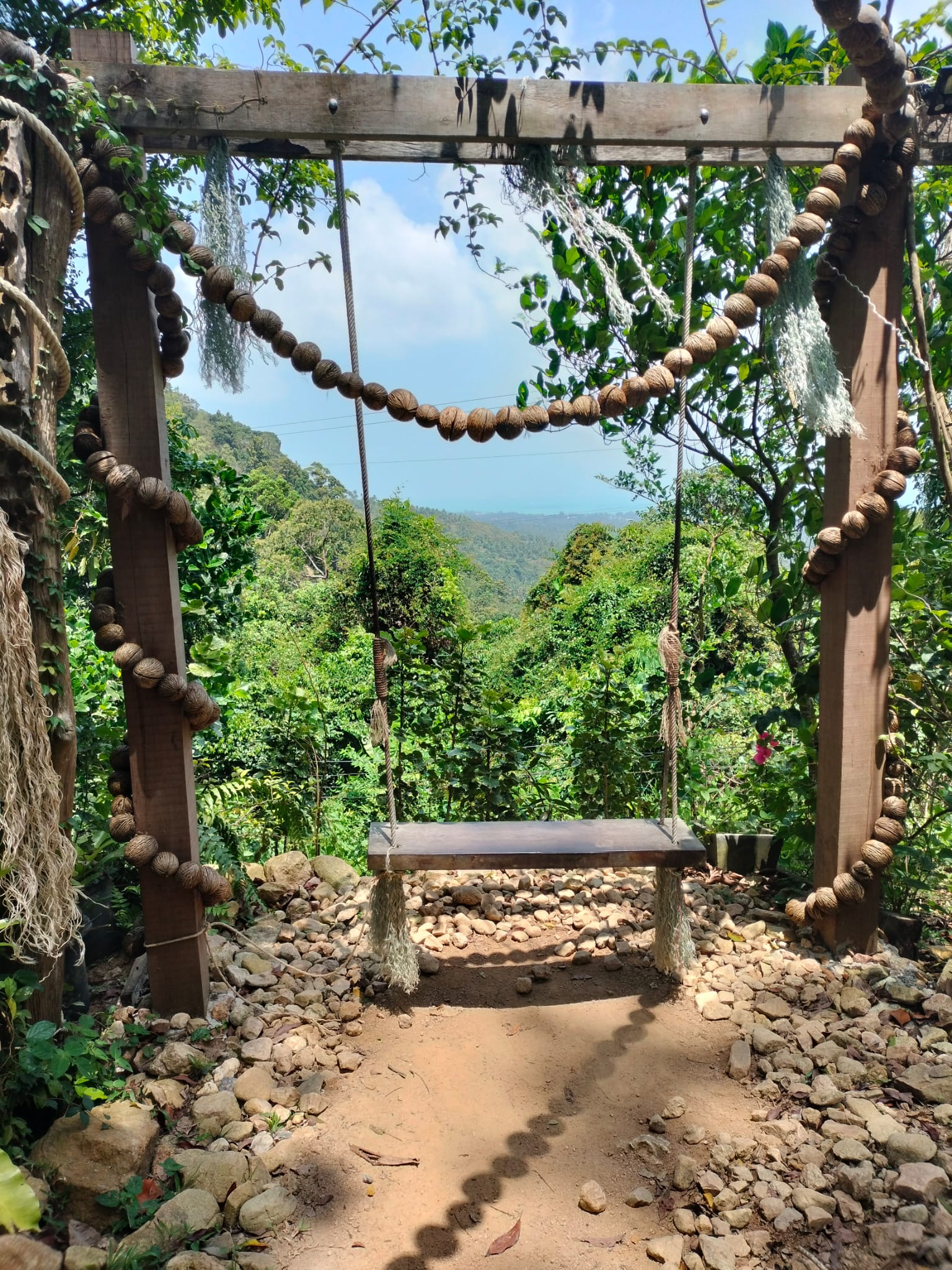
Visitors will find rope bridges, elevated walkways, viewpoints, and plenty of opportunities to enjoy the surrounding nature.
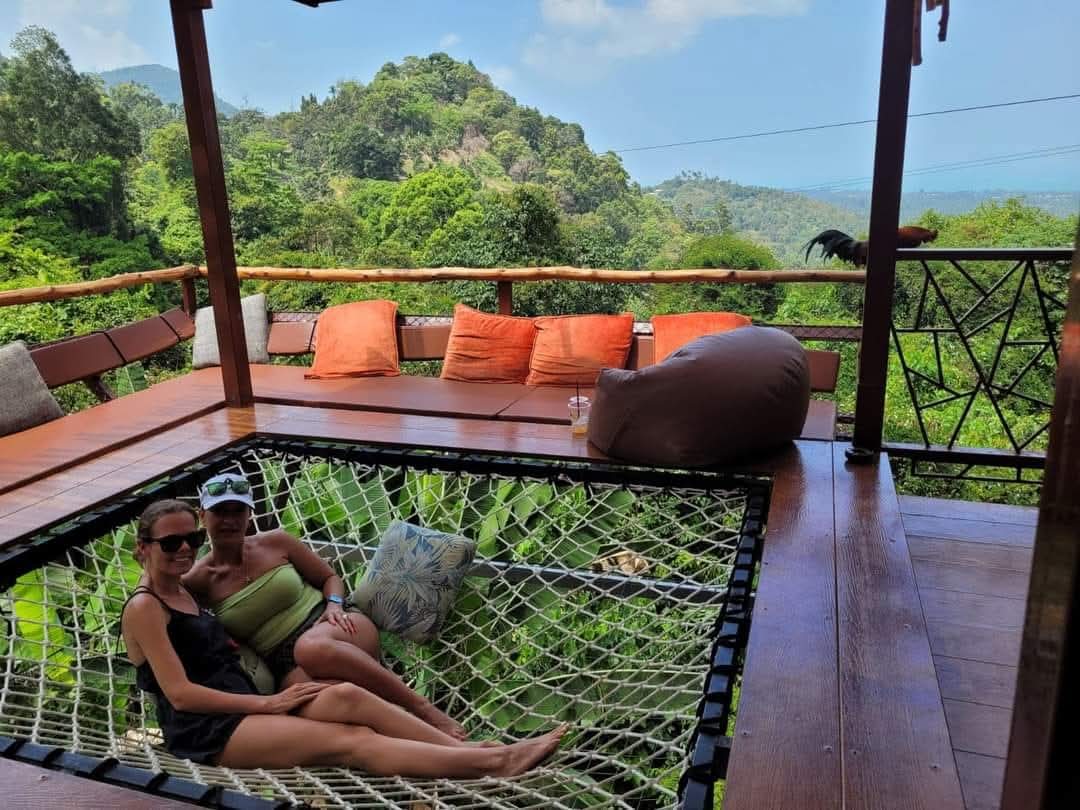
There's also a scenic viewpoint café overlooking the coastline, making it a lovely place to stop for a drink after your walk.
While not free, adventure seekers can also find the Tree Bridge Zipline attraction nearby.
Even if you skip the zipline, the area itself is well worth visiting for the scenery alone.
Hin Lad Waterfall
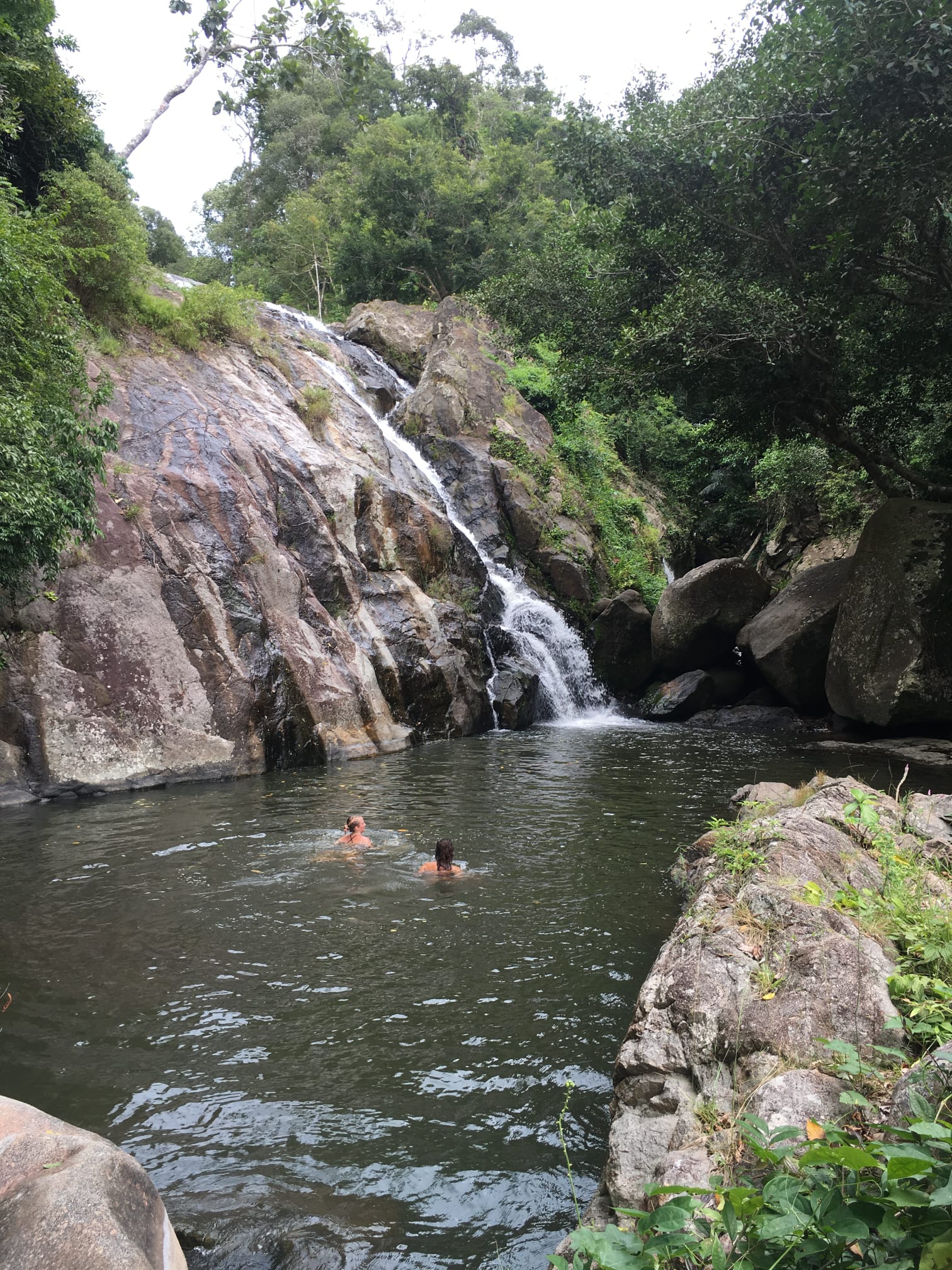
If we had to choose a local favourite, Hin Lad Waterfall would be high on the list.
Despite being one of the island's lesser-known waterfalls, many visitors consider it a very rewarding one, especially for a local experience.
The walk to the waterfall takes you through peaceful jungle surroundings and is generally much quieter than the Na Muang waterfalls.
One of the things that makes Hin Lad special is its large freshwater pools, which are among the biggest you'll find at any waterfall on Koh Samui.
The area around the trailhead is also worth exploring.
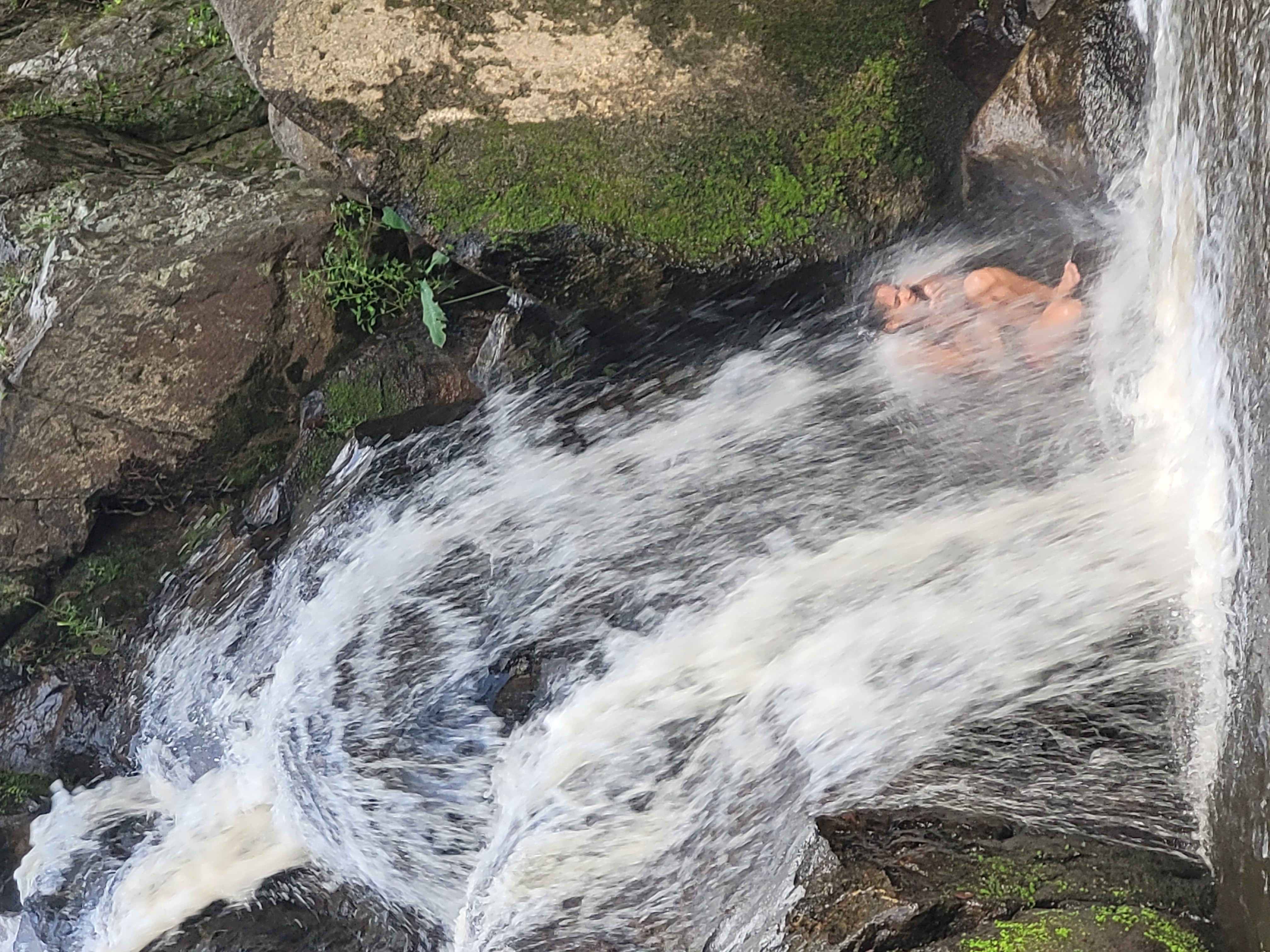
Here you'll find:
A local temple
Cute, small cafés and restaurants
Freshwater streams
Large numbers of fish
Local families enjoying the water
In fact, many locals come here simply to relax, cool off, and spend time with family.
Another reason we love Hin Lad is that it tends to have water year-round, even when other waterfalls are looking a little underwhelming or are completely dried up.
Other Waterfalls Worth Exploring
If waterfalls are your thing, there are several other smaller waterfalls scattered throughout Koh Samui.
While it may not be as impressive as Na Muang or Hin Lad, the walk through the jungle and peaceful atmosphere make it a pleasant stop for adventurous explorers.
And after periods of heavy rainfall, you may even stumble across small seasonal waterfalls appearing in unexpected places throughout the island.
Sometimes the best discoveries happen when you simply take the scenic route.
Visit Hin Ta & Hin Yai Rocks
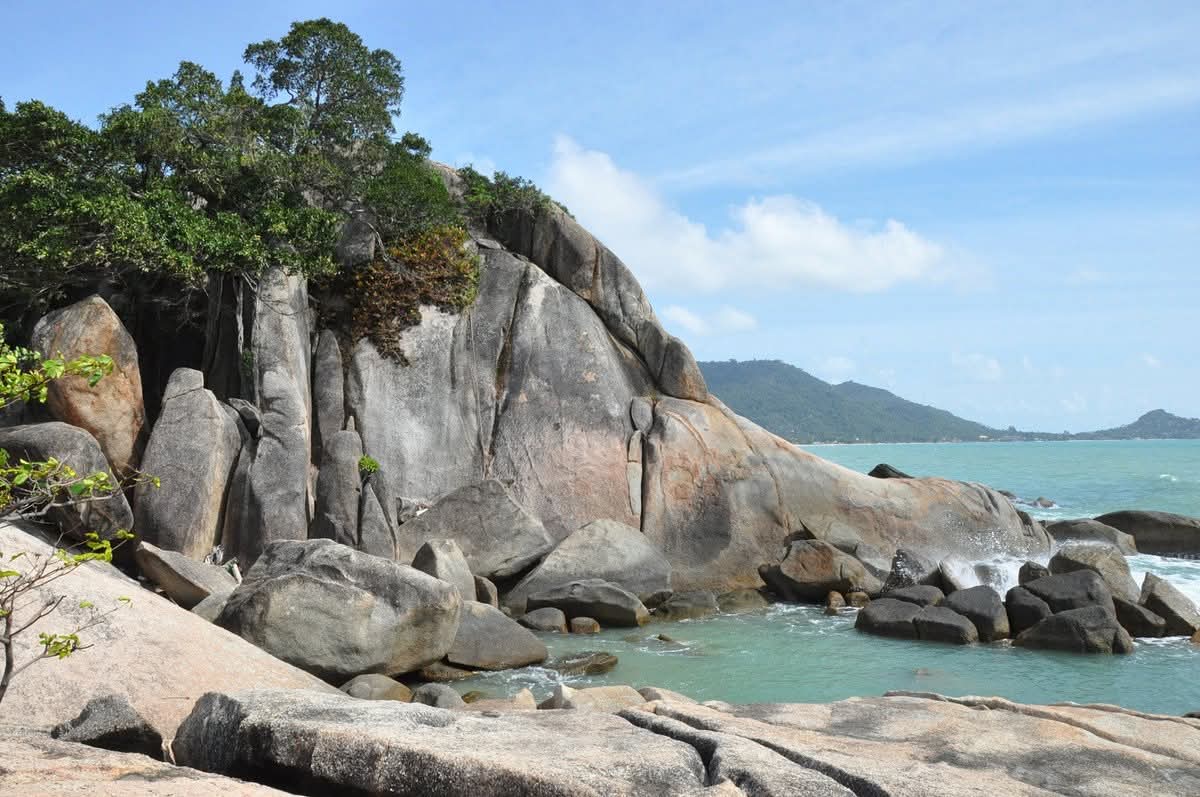
Few natural attractions on Koh Samui are as famous, or as talked about, as Hin Ta & Hin Yai.
Known in English as Grandfather and Grandmother Rocks, these unusual rock formations have become one of the island's most photographed landmarks.
We'll leave it to you to decide what they resemble.
Located near Lamai Beach, the formations have been shaped by centuries of wind and waves and are now one of Koh Samui's most iconic attractions.
Local legend tells the story of an elderly couple who were lost at sea while travelling to arrange a marriage for their son. According to folklore, the rocks formed as a symbol of their sincerity and determination.
Whether you visit for the geology, the folklore, or simply the photo opportunity, Hin Ta & Hin Yai are worth adding to your itinerary. If you ask me personally, maybe not so much for the rock formations that made this a tourist hotspot, but more so for the beautiful small lagoon, and nice little hidden bays surrounding them.
Nearby Attractions
One of the best things about visiting Hin Ta & Hin Yai is that several other attractions are located nearby.
You can easily combine your visit with:
Lamai Beach
Wat Ratchathammaram (The Red Temple)
Guan Yu Shrine
Small snorkeling bays along the coast
Local cafés and viewpoints
Making it an easy half-day adventure.
Discover Koh Samui's Best Viewpoints
One of the simplest and most rewarding free activities on Koh Samui is stopping at the island's many viewpoints.
Because of its mountainous interior, Koh Samui offers countless opportunities to enjoy spectacular views across beaches, jungles, coconut groves, and neighboring islands.
Lad Koh Viewpoint
Often referred to as the Chaweng Viewpoint, Lad Koh is one of the most accessible viewpoints on the island.
Located between Chaweng and Lamai, it offers stunning panoramic views of the coastline and ocean below.
Early morning and late afternoon tend to provide the best lighting for photographs.
Taling Ngam Viewpoints
The southwest corner of Koh Samui is home to some of the island's most underrated views.
As you drive through the Taling Ngam area, you'll discover numerous elevated viewpoints overlooking the coastline and the famous Five Islands.
This area is particularly beautiful around sunset.
Hidden Viewpoints Along The Ring Road
One of our favourite things to do is simply pull over when a view catches our eye.
Some of Koh Samui's best viewpoints aren't marked on Google Maps at all.
As you drive around the island, especially through the southern and western regions, you'll regularly encounter stunning ocean views, coconut plantations, jungle-covered hills, and dramatic coastlines.
Don't be afraid to slow down and explore.
Explore Nathon: Koh Samui's Overlooked Capital
Many visitors only pass through Nathon on their way to or from the ferry.
That's a mistake.
As Koh Samui's administrative capital and main port town, Nathon offers a much more authentic glimpse of local life than many of the island's tourist hotspots.
Spend an afternoon wandering the streets and you'll discover:
Traditional shop houses
Local markets
Family-run restaurants
Coffee shops
Street food vendors
Ferry activity and island life
Nathon is also one of our favourite places to watch the sunset.
Don't miss the famous "I Love Koh Samui" sign located near the waterfront, where you'll enjoy beautiful views across the sea as the sun dips below the horizon.
Discover Koh Samui's Coconut Heritage
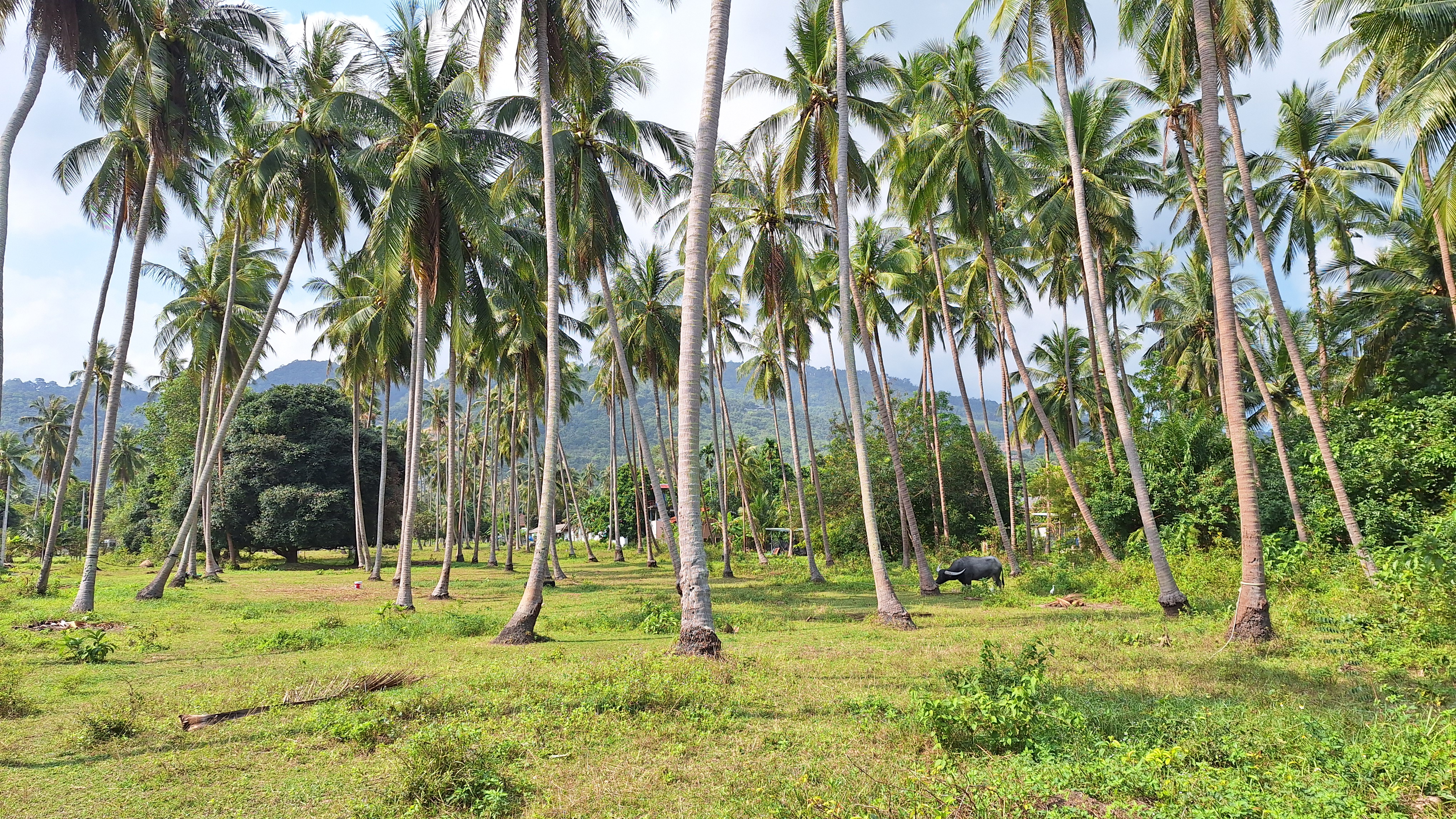
Long before luxury resorts, beach clubs, and White Lotus fame, Koh Samui was known for something entirely different: coconuts.
For generations, coconut farming was one of the island's most important industries, earning Koh Samui the nickname "Coconut Island." Long before tourism became the island's main source of income, local families relied heavily on coconuts for their livelihoods.
Even today, you'll find thousands of coconut palms spread across the island, particularly in the quieter southern and western regions.
One of the best ways to experience this side of Koh Samui is simply by exploring beyond the main tourist areas. Drive or cycle through the island's back roads, and you'll discover endless coconut groves, small farms, local homes, and landscapes that offer a glimpse into the island's past.
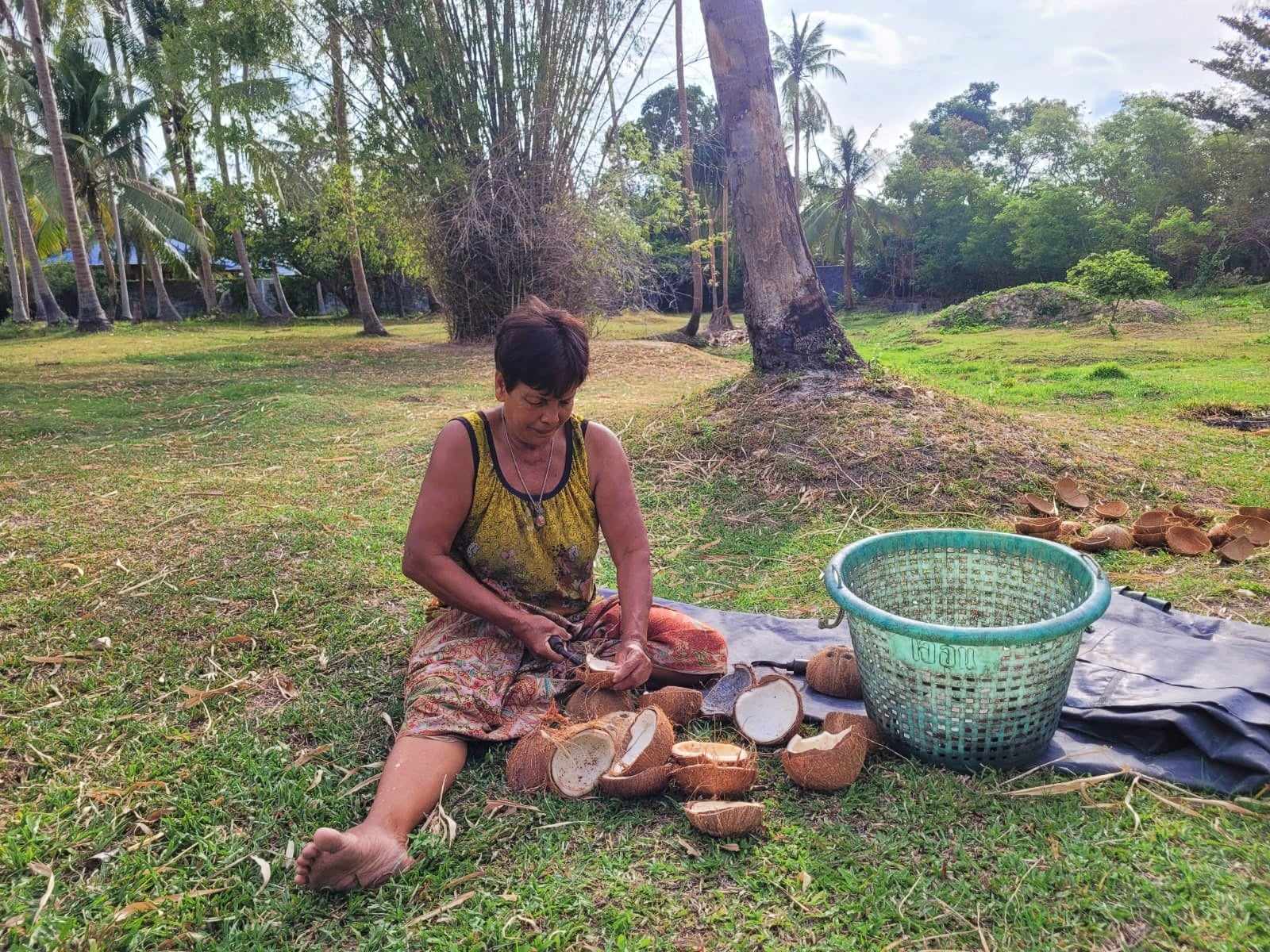
If you're lucky, you may even witness coconuts being harvested. Depending on the season and location, locals can often be seen collecting, sorting, transporting, or preparing coconuts for sale.
While many visitors spend their holiday moving between beaches, restaurants, and resorts, taking some time to explore the island's agricultural side offers a fascinating insight into the history and culture that shaped modern-day Koh Samui.
Local Tip: Some of the most scenic drives on the island are found inland, where winding roads pass through coconut plantations, jungle-covered hills, and quiet villages far removed from the busier tourist areas.
Slow Down & Experience Daily Island Life
Some of the best free experiences on Koh Samui don't have names, entrance gates, or signs.
They're simply moments of discovery.
Take a different road.
One of the most overlooked free things to do on Koh Samui is also one of the simplest.
Slow down.
Many visitors spend their entire holiday rushing between attractions, viewpoints, tours, and beaches. Yet some of the most memorable moments often happen when you simply stop and observe everyday life unfolding around you.
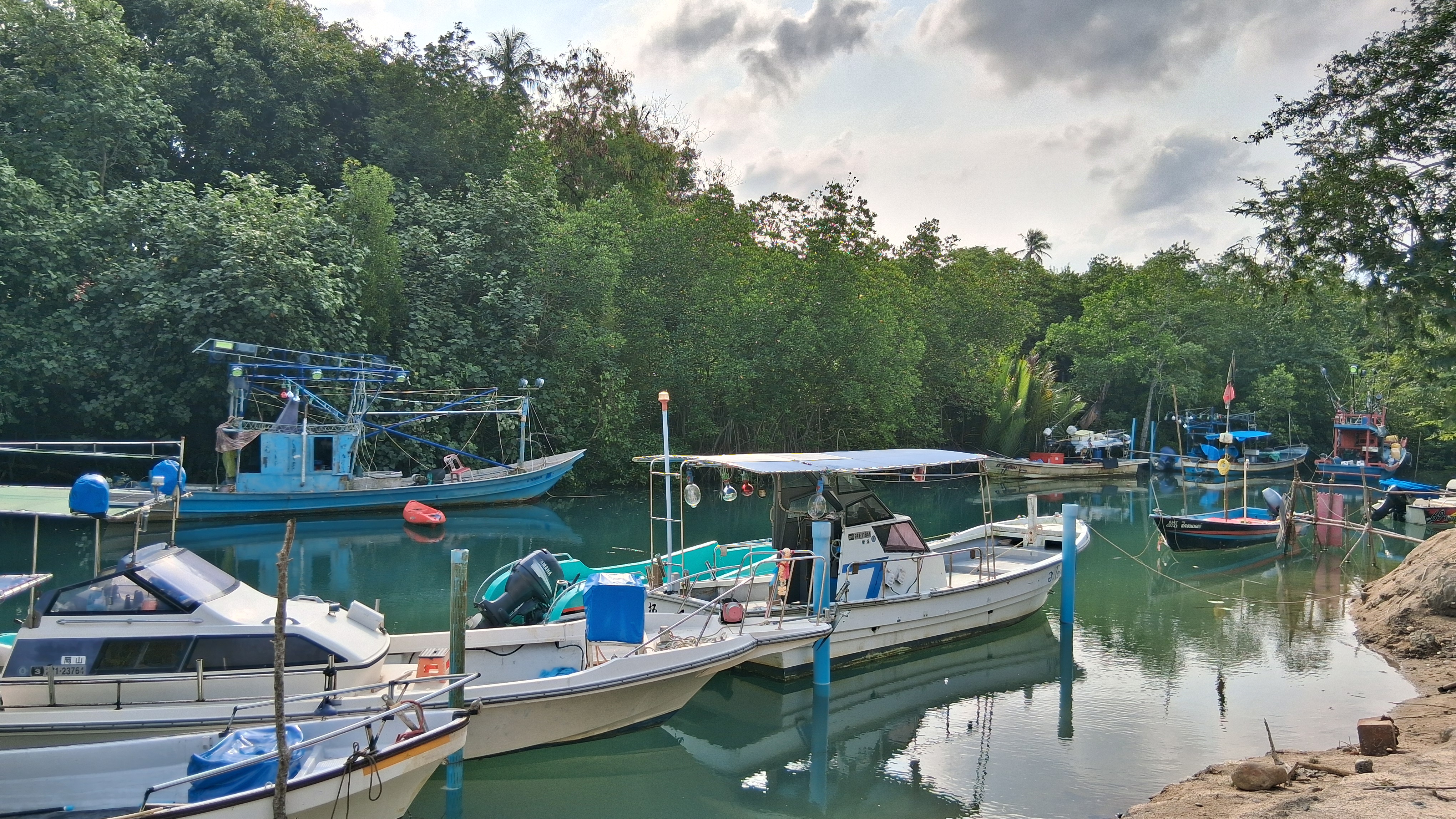
Visit a fishing village in the early morning and watch fishermen preparing their boats before heading out to sea.
Explore the waterfront in the late afternoon, and you may see boats returning with the day's catch while locals unload fish, repair nets, and prepare for the next day.
Sit at a small roadside café and watch the rhythm of island life pass by.
Wander through local neighborhoods where children play outside after school, residents chat with neighbors, and small family-run businesses go about their day much as they have for decades.
Areas such as Hua Thanon, parts of Taling Ngam, Nathon, and even Bantai, and some of the quieter fishing communities around the island offer wonderful opportunities to experience a more authentic side of Koh Samui.
These experiences may not appear on many "top attractions" lists, but they often become the moments travelers remember long after their holiday has ended.
Explore Koh Samui's Markets: A Window Into Everyday Island Life
One of the easiest ways to experience the real Koh Samui is by spending time at its markets.
And no, we're not just talking about buying souvenirs.
Markets are where daily life unfolds. They're where neighbours meet, where families buy ingredients for dinner, where fishermen sell part of their catch, and where visitors can catch a glimpse of a side of the island that exists beyond the resorts and beach clubs.
The Famous Walking Streets
Most visitors eventually find themselves at Fisherman's Village Walking Street in Bophut.
Every evening, except for Thursday, and Saturday evening, you'll one of the island's largest and most vibrant evening markets here. Food stalls fill the streets, musicians perform throughout the night, and visitors from all over the island come together to enjoy the atmosphere.
It's lively, energetic, and absolutely worth experiencing at least once during your stay.
Maenam Walking Street offers a similar experience on Friday night, but on a smaller scale. Many visitors find it a little more relaxed and easier to explore.
And there are many more evening markets spread throughout the island. While these markets have become popular with tourists, they still provide a fun and affordable evening out, even if you're simply there to wander and soak up the atmosphere.
Discover Koh Samui's Local Fresh Markets
For a completely different experience, head to one of the island's local fresh markets instead.
The morning market in Maenam is one of our personal favourites.
Arrive early and you'll find locals shopping for vegetables, fruit, seafood, herbs, spices, and ingredients for the day's meals. Unlike the night markets, very little here is designed specifically for tourists—and that's exactly what makes it interesting.
You may discover tropical fruits you've never seen before, traditional Thai desserts, freshly prepared snacks, or ingredients that leave you wondering how they're used.
But this one is for the early birds! The morning market starts at 4 AM and on busy days, many stalls may sell out and pack up by 9 or 10 AM.
Later in the day, Maenam's afternoon market develops a different rhythm as locals stop by on their way home from work to pick up ingredients for dinner. The afternoon market is only a few streets down from the morning market and is open from around 4-8 PM.
These markets provide a fascinating glimpse into daily life on Koh Samui and offer a much more authentic experience than many visitors expect.
Local Tip
Don't be afraid to try something unfamiliar. Some of the best food experiences on Koh Samui happen when you point at something you've never seen before and simply give it a try.
If You Get The Chance, Visit A Temple Fair
Temple fairs are one of Koh Samui's most authentic cultural experiences.
Unlike many tourist attractions, these events aren't created for visitors. They're community gatherings that bring local families together while helping raise funds for the temple and its activities.
If you happen to discover one during your stay, consider yourself lucky.
As the sun begins to set, temple grounds transform into bustling social hubs filled with food stalls, games, music, colourful lights, and families enjoying an evening together.
Children run between carnival-style games, grandparents gather with friends, and the scent of freshly cooked Thai food fills the air.
It's a side of Thailand that many visitors never get to experience.
The exact dates vary throughout the year and are often linked to religious celebrations, temple anniversaries, or local fundraising efforts.
Local Tip
Ask locals, your accommodation host, or members of the community if any temple fairs are taking place during your stay. Many visitors only discover them by accident while driving past.
Join A Free Outdoor Fitness Class
One thing that surprises many first-time visitors is just how active Koh Samui can be.
While the island has earned a reputation for beaches, cocktails, and relaxation, you'll regularly find locals gathering for outdoor exercise classes in parks, public spaces, and beachfront locations.
As the heat of the day begins to fade, music starts playing and groups of all ages come together for community fitness sessions.
You might stumble upon aerobics classes, dance fitness groups, stretching sessions, or outdoor workouts taking place against a backdrop of palm trees and ocean views.
The atmosphere is welcoming, fun, and often surprisingly energetic.
No membership required.
No expensive gym fees.
Just people coming together to stay active and enjoy themselves.
Local Tip
Chaweng Lake is one of those locations that frequently has outdoor aerobics happening. Schedules and locations occasionally change, so ask locals or check community Facebook groups to see what's happening during your visit.
Help Keep Koh Samui Beautiful: Join A Beach Clean-Up
The beaches of Koh Samui are one of the island's greatest treasures.
But like many tropical destinations, keeping them clean requires ongoing effort from residents, businesses, volunteers, and visitors alike.
Joining a beach clean-up may not sound like a typical holiday activity, but it can be one of the most rewarding experiences you'll have on the island.
Organizations such as Trash Hero regularly organize community clean-ups where locals, expats, and tourists work side by side to help protect Koh Samui's coastline. They organize clean-ups at different beaches every Sunday, and occasionally during other days of the week.
In just an hour or two, you'll likely meet interesting people, learn more about the environmental challenges facing tropical islands, and leave knowing you've made a small but meaningful contribution.
Local Insight
Many visitors tell us that participating in a clean-up changed the way they viewed the island. It creates a deeper appreciation for the effort required to preserve the natural beauty that draws so many people to Koh Samui in the first place.
Meet The People Protecting Koh Samui's Animals
Animal lovers may be surprised to learn how much work happens behind the scenes to help Koh Samui's stray animals and wildlife. The island is home to dedicated local organisations and volunteers who spend their time rescuing, treating, feeding, sterilising and rehoming animals.
The good news is that visitors can often get involved too.
Visit Dog & Cat Rescue Samui
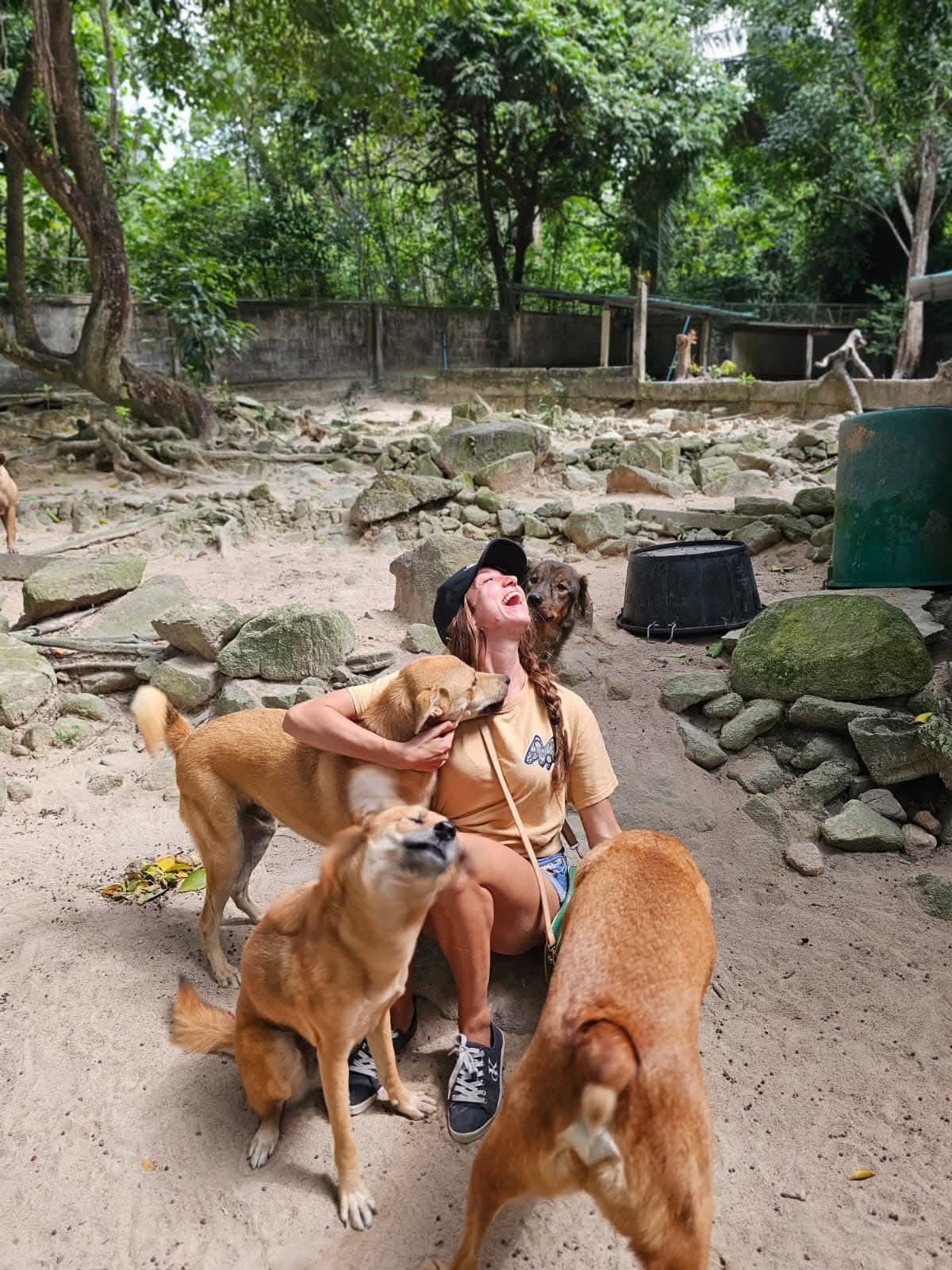
One of the easiest ways to support animal welfare during your holiday is to visit one of the Dog & Cat rescues and shelters. Dog & Cat Rescue Samui for instance. The organisation cares for abandoned and rescued dogs and cats and welcomes visitors who would like to spend time with the animals.
You can visit the shelter, cuddle with the cats, meet the dogs and, if you would like to do something more hands-on, even volunteer to take one of the dogs for a walk. The organisation also has a cat café, making it a lovely stop for animal lovers who want to enjoy some feline company while supporting a good cause.
Look Out for Samui's Wildlife
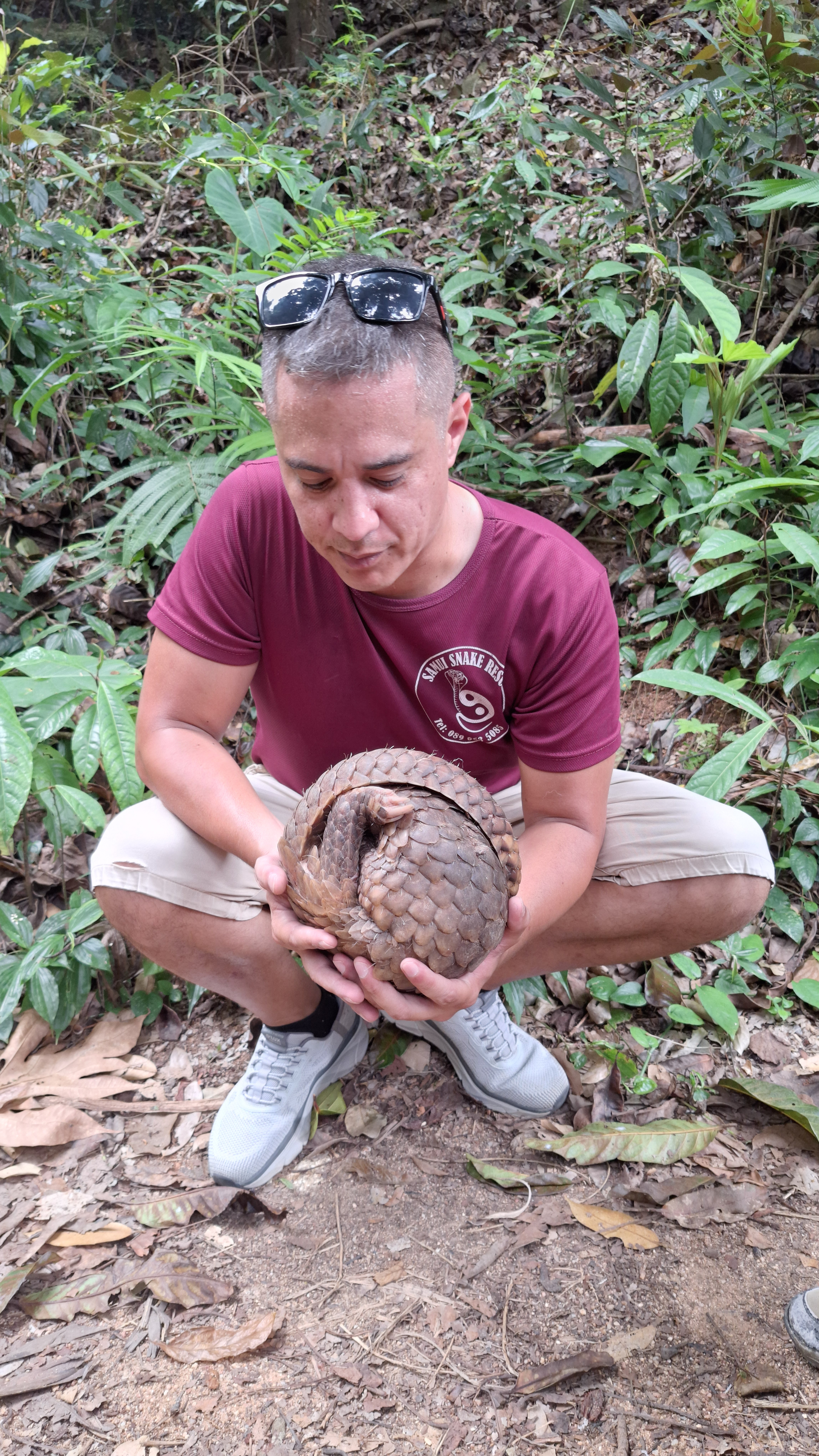
Koh Samui is also home to a surprising amount of wildlife, and Samui Snake & Wildlife Rescue helps rescue, rehabilitate and release animals found in difficult or dangerous situations.
Their work includes rescuing snakes and other wildlife from homes and businesses, helping injured animals and returning healthy animals to suitable natural habitats. If you are lucky enough to be on the island at the right time, you may even be able to join a wildlife release and see an animal being returned to the wild.
Staying at Baan Suay Bantai? If you are interested in seeing more of Koh Samui's wildlife or would love the opportunity to join a rescue or release, ask your hosts about it. Michel is one of the volunteers with Samui Snake & Wildlife Rescue and may be able to tell you more about what is happening during your stay.
Whether you spend an afternoon walking a rescue dog, visiting the cat café or learning more about the wildlife living around the island, supporting these organisations is a wonderful way to see a different side of Koh Samui while helping the people and animals who call the island home.
Keep An Eye Out For Free Community Events
One of the wonderful things about Koh Samui is that there always seems to be something happening somewhere.
A cultural celebration.
A game night.
A beach clean-up.
A public fitness event.
A local concert.
A stargazing evening.
A charity fundraiser.
A food festival.
The challenge isn't finding events—it's finding out about them.
Many of these activities are organized locally and announced only a few days or weeks in advance.
Local Tip
Following local Facebook groups during your stay is one of the best ways to discover events that many tourists never hear about.
You never know what might be happening while you're on the island.
Experience Koh Samui's Biggest Cultural Festivals
One of the best things about visiting Koh Samui is that you don't have to spend much money to experience some of Thailand's most important cultural celebrations. Throughout the year, the island comes alive with festivals that combine ancient traditions, religious beliefs, family customs, music, food and plenty of community spirit.
Three of the biggest celebrations you may experience during your stay are Songkran, Loy Krathong and Chinese New Year. The dates change from year to year for the lunar-calendar festivals, so it is worth checking the exact dates before your visit. However, if your holiday happens to coincide with one of them, you can often enjoy the celebrations simply by heading out into the streets and joining the atmosphere.
Songkran – Thailand's Water Festival and Traditional New Year
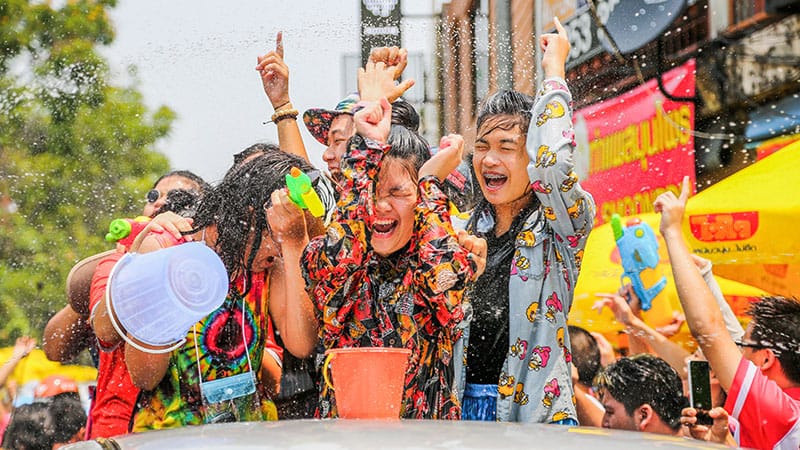
When: 13–15 April every year, with the biggest celebrations generally taking place on 13 April.
Songkran is Thailand's traditional New Year celebration and one of the country's most famous festivals. The word Songkran comes from Sanskrit and refers to movement or transition, symbolising the movement into a new year. Traditionally, the festival is a time for family reunions, visiting temples, making merit, showing respect to elders and washing away the old year to welcome a fresh beginning.
The water that has become synonymous with Songkran has a deeper meaning than simply getting people wet. Traditionally, water is gently poured over the hands of elders and Buddha images as a symbol of cleansing, respect and blessing. Over time, this tradition has developed into the huge, joyful water fights that Songkran is now famous for around the world.
On Koh Samui, Songkran transforms the island into one enormous outdoor celebration. Expect music, dancing, food stalls and people of all ages taking to the streets with water guns, buckets and hoses. The busiest areas are generally around Chaweng and other popular tourist areas, although you may encounter water celebrations throughout the island.
The best part is that you do not need to buy an expensive ticket or book an organised activity to enjoy Songkran. Simply being out and about can be enough to become part of the celebration. Just remember to protect your phone and other valuables – and if you definitely do not want to get wet, it is best to stay indoors!
Loy Krathong – A Night of Lights and New Beginnings
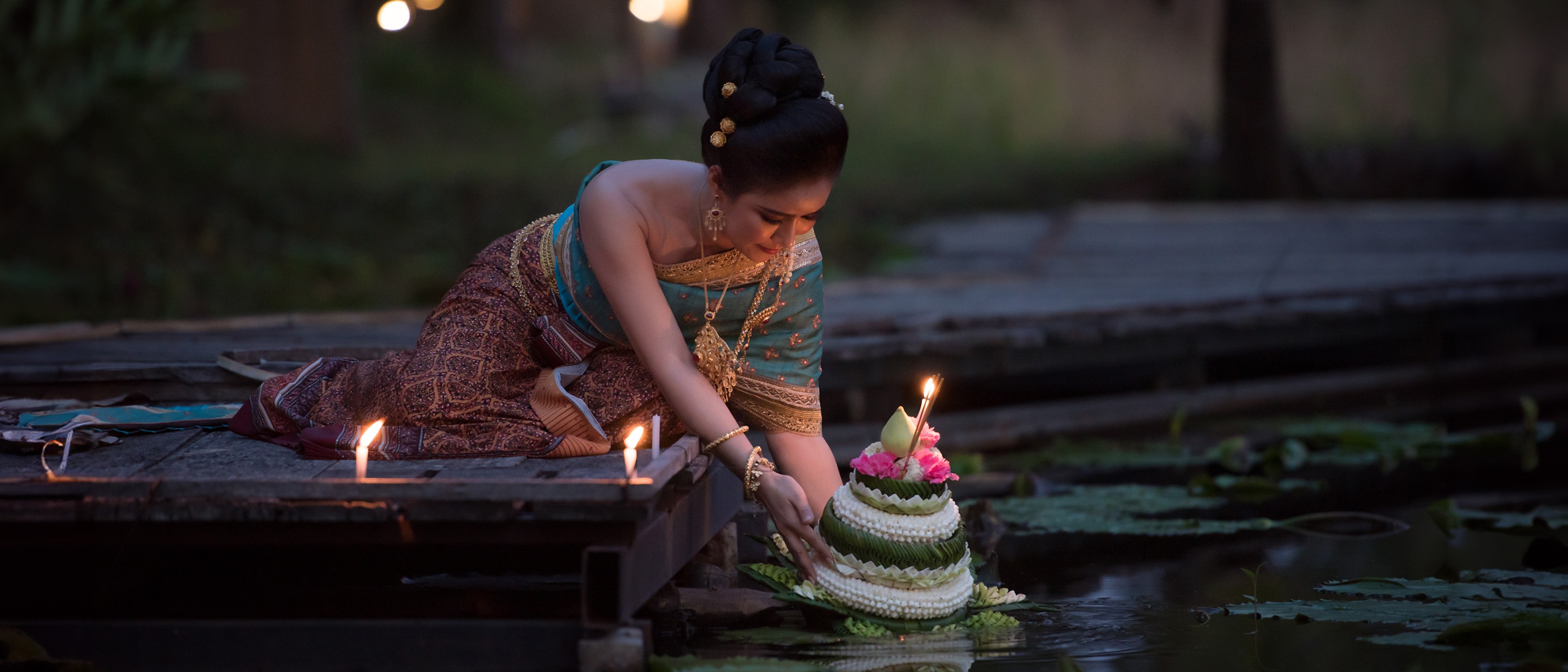
When: Usually in November, on the evening of the full moon of the 12th month of the Thai lunar calendar. The exact date changes each year.
Loy Krathong is often described as one of Thailand's most beautiful festivals. The name comes from loy, meaning “to float”, and krathong, referring to the small decorative floating offering traditionally made from natural materials such as banana leaves and banana stems.
On the evening of the festival, people gather beside rivers, lakes, ponds and the sea to release their illuminated krathongs onto the water. The tradition is commonly associated with showing gratitude to the water, asking forgiveness for having polluted or misused it, and letting go of negativity, misfortune and the troubles of the past while welcoming a fresh start.
On Koh Samui, Loy Krathong is a wonderfully atmospheric experience. As darkness falls, you can see candlelit krathongs floating on the water while temples, local communities and businesses often organise their own celebrations. There may be music, performances, food stalls and traditional activities, depending on the location and the year.
You do not need to spend much money to enjoy the festival. Simply visiting a local celebration and watching the illuminated krathongs drift across the water can be a memorable experience in itself. If you decide to release one yourself, look for environmentally friendly krathongs made from natural, biodegradable materials.
Chinese New Year – Colourful Celebrations and Good Fortune
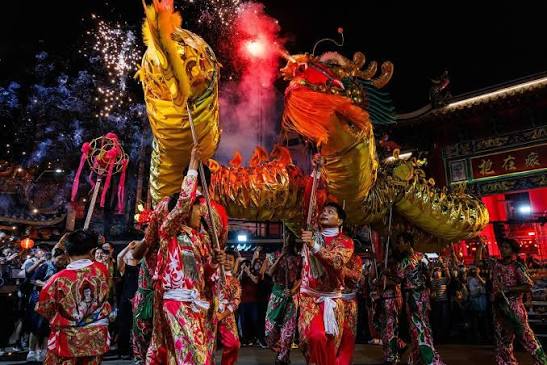
When: Usually between late January and mid-February. The exact date changes each year according to the Chinese lunar calendar.
Chinese New Year, also known as Lunar New Year or the Spring Festival, is celebrated by Chinese communities around the world. On Koh Samui, it is particularly significant because of the island's long history of Chinese immigration and the influence of Chinese-Thai culture on local communities.
The celebration traditionally marks the beginning of a new year and is associated with family, good fortune, prosperity and welcoming positive energy for the year ahead. Red decorations, lanterns, offerings, family gatherings and symbolic foods are all commonly associated with the festivities.
On Koh Samui, Chinese New Year celebrations can include colourful parades, lion and dragon dances, traditional performances, music and spectacular firecrackers. Local Chinese shrines and temples often become important gathering points, while larger events may also take place in busy areas around the island.
The atmosphere is energetic, colourful and very different from the beach-focused side of Koh Samui that many visitors know. Watching a lion dance or joining the crowds around a local celebration is a great way to experience another important part of the island's cultural heritage – and, once again, you can enjoy much of the experience without spending anything.
If your visit to Koh Samui coincides with one of these festivals, make the most of it. These celebrations offer something that no paid tour or attraction can quite replicate: the chance to experience the island as part of a living community, surrounded by local traditions, music, food and celebrations that have been passed down through generations.
Chak Phra – A Colourful Southern Thai Celebration
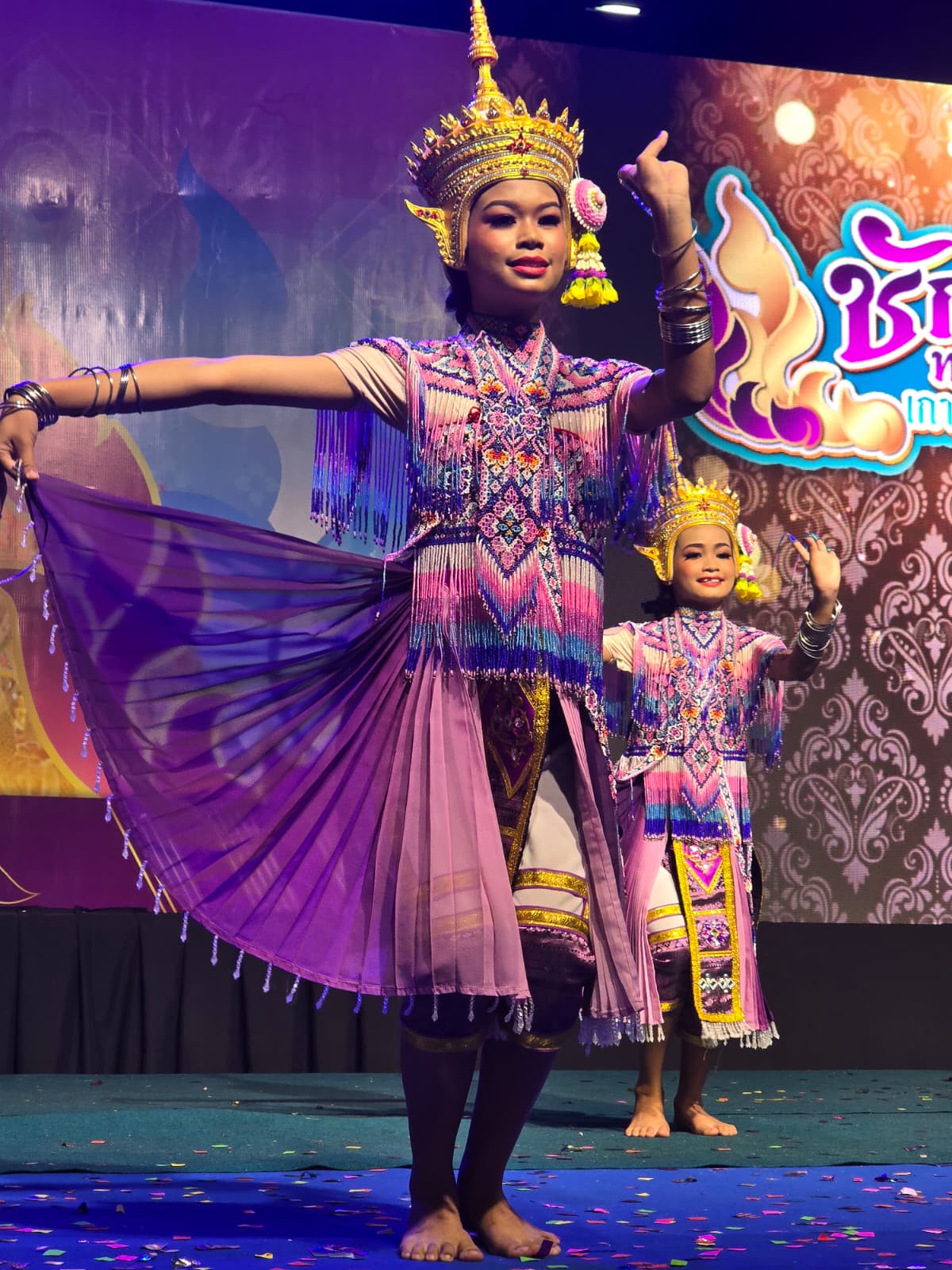
When: Usually in October, shortly after the end of Buddhist Lent. The exact date changes each year.
If you happen to be on Koh Samui in October, look out for Chak Phra, a colourful Buddhist festival that is particularly associated with Southern Thailand. The name means “pulling the Buddha image” and refers to the tradition of taking Buddha images out of the temples in a celebratory procession.
On Koh Samui, the festival can be a fascinating glimpse into local life. Expect beautifully decorated floats, traditional music, colourful processions and large community celebrations with cultural performances, games, and markets. Buddha images may be carried through the streets or transported by elaborately decorated boats, creating a particularly memorable sight around the island's coastal communities.
Chak Phra is a great festival to experience if you want to see a more traditional side of Koh Samui beyond the beaches and tourist attractions. You can simply join the crowds, watch the processions, enjoy the atmosphere and take in the colourful decorations – all without needing to book an organised tour or spend money.
Because the exact date and events can vary each year, ask locals or check local announcements during your visit to find out where the main celebrations will be taking place.
Every Season Offers Something Different
One of the reasons people return to Koh Samui year after year is that no two visits ever feel exactly the same.
Depending on when you visit, you may encounter:
Temple festivals and religious celebrations
Community fairs and fundraising events
Environmental initiatives and clean-up projects
Cultural performances
Sporting events
Seasonal markets
Astronomy and stargazing activities
Holiday celebrations such as Loy Krathong and Songkran
Some experiences can only be enjoyed during specific times of year, making every visit unique.
Sometimes, The Best Experiences Cost Nothing At All
When planning a holiday, it's easy to focus on tours, attractions, and activities. Yet some of the most memorable moments on Koh Samui cost absolutely nothing.
A conversation with a market vendor.
A temple fair discovered by chance.
Learning about the island's culture and traditions.
Experiencing a side of Koh Samui that many visitors never see.
Because while luxury resorts and famous attractions certainly have their place, the true heart of Koh Samui is often found in the people, communities, and everyday moments that make this island so special.

© 2023+ Misty Dowling Media - All Rights Reserved